

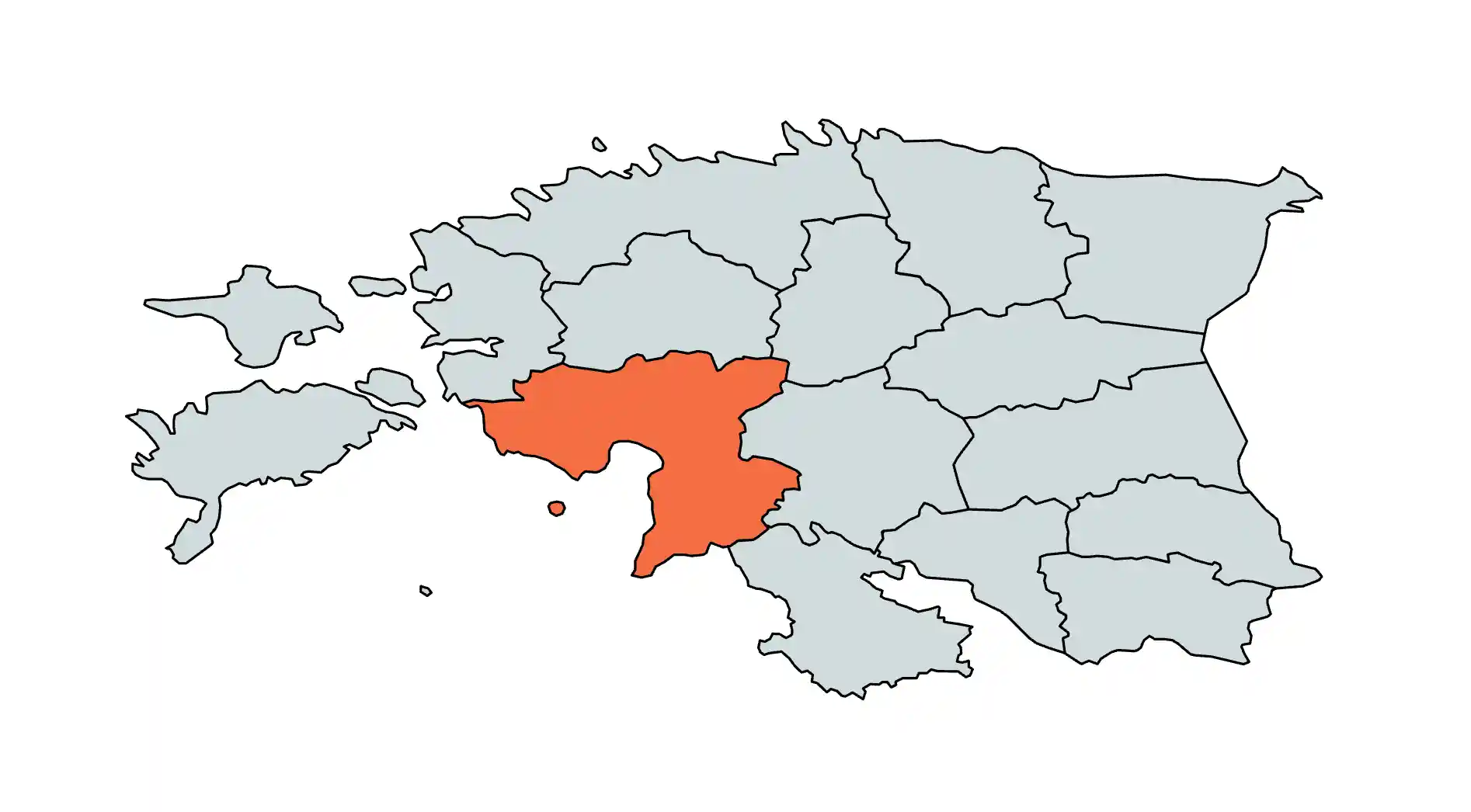
The Pärnu county is all about white sand and towering pine dunes. The Tolkuse nature trail takes you through a high dune forest to the edge of a vast bog with views out over the Gulf of Riga. It is a perfect spot for a sunset walk when the sand turns a deep gold. You can see the waves of the Baltic on one side and the mirror-like pools of the bog on the other.
Beyond the main city the road follows the Romantic Coastline through small fishing harbors and seaside meadows. Stop at Lottemaa to see a colorful theme park built like a fictional village for families. The Soomaa park is nearby where the "fifth season" floods the forests and locals navigate the trees by dugout canoe. This wilderness area is one of the best places in the country to spot beaver dams and listen to the call of the wild.
Visit the Kihnu island by ferry to see a place where women still wear hand-woven striped skirts and drive vintage sidecar motorcycles. The island life is a living museum of sea culture and folk songs. Back on the mainland the roads lead to quiet campsites hidden under the coastal pines. The air here is incredibly fresh, carrying the scent of salt water and pine needles throughout your journey.
Pärnu (county) highlights
- Tolkuse Nature Trail Hike over the highest coastal dunes in the country to find a vast bog tucked away just behind the sandy ridges. The view from the top of the dune covers the blue Gulf of Riga and the deep green forest.
- Soomaa National Park Experience the "fifth season" when the spring floods turn the entire forest into a vast lake that locals navigate by canoe. The rest of the year you can walk on boardwalks through some of the largest bogs in Europe.
- Kihnu Island Culture Take a ferry to an island where the women still wear hand woven striped skirts and ride vintage sidecar motorcycles. The island is a living museum of sea culture where the songs and crafts are protected by international heritage.
- Lottemaa Theme Park Visit a colorful village of inventions based on a popular animated character located right by the sea in a pine forest. It is a massive playground that feels like stepping into a fairytale book for both children and adults.
- Romantic Coastline Drive Follow the shore road south of the city where the trees lean away from the sea and the beaches are made of pure white sand. Small fishing harbors and seaside cafes offer plenty of stops along the winding route.
- Kabli Bird Station Stop at a coastal research center where massive nets are used to track the migration of millions of birds. The sandy beach here is shallow and warm making it a favorite spot for local families during the summer.
- Corvidae Wood Art Farm Discover a garden filled with hundreds of unique wooden sculptures carved from old logs and tree roots. The artist has created a whimsical world of characters that line the paths of this rural estate.
- Valgerand White Sand Beach Drive to a quiet stretch of coast where a tall pine forest grows right up to the edge of the white sand. A high ropes course and a viewing tower offer a more active way to enjoy the coastal scenery.
- Lavassaare Railway Museum Explore a collection of old narrow gauge locomotives and wagons located at a former peat mining site. You can take a ride on a historic train and see how the railway once powered the local economy.
- Tõstamaa Manor House Visit a grand estate known for its beautiful wall paintings and a chimney that is large enough to walk inside. The drive to the manor takes you through a part of the coast that is famous for its wild nature and silence.
The local Four
History of Pärnu (county)
Pärnu county was officially founded in 1251, but it really became important in the 1300s when it joined the Hanseatic League, a powerful group of trading cities. For hundreds of years, it was a major port where salt, fur and timber were moved between the north and the rest of Europe. The city still has ancient stone gates and walls that remind visitors of its time as a heavily protected medieval trade center.
In 1838, the region’s history shifted from trade to relaxation when the first sea bathing house opened. This was the start of the Summer Capital tradition, where people from all over the world came to enjoy the long sandy beaches and the healing mud of the coast. The elegant hotels and parks built during the early 1900s created a classic holiday vibe that has made the region the most popular vacation spot in the country for nearly two centuries.
The most important moment in modern history happened here in 1918, when the country’s Declaration of Independence was read in public for the very first time. This took place on the balcony of a local theater on February 23rd, just one day before it was announced in the capital. This makes the Pärnu county the true birthplace of the modern republic. A place where history was made on the same streets that lead to the quiet dunes and the sea.