

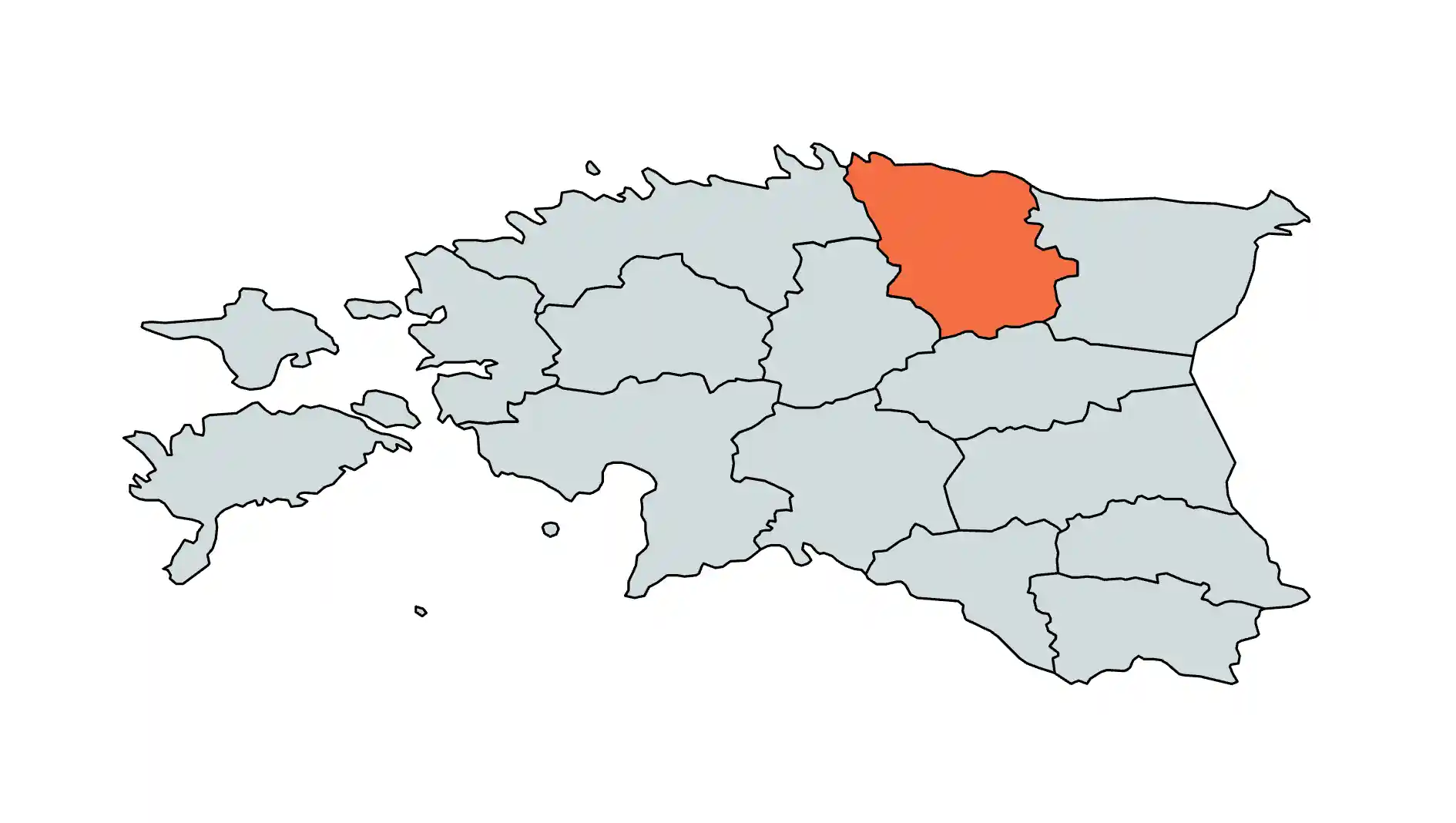
Drive through the Lääne-Viru county towards Käsmu to see the Captains' Village where white houses face the sea and giant rocks sit in the water like sleeping whales. The forest trails lead to the Viru bog where the water is so still it looks like black glass. You can climb the wooden tower in the middle of the bog for a view of the labyrinthine pools stretching to the horizon.
The manor houses of Palmse and Sagadi are grand estates with perfectly kept gardens and red roofed stables. You can walk through the forest museum or see the vintage carriage collections in the stone barns. The Toolse castle ruins sit right on the beach where the waves wash over the old stone walls of a pirate fortress. It is one of the few places where you can touch medieval history while your feet are in the sea sand.
Rakvere provides a more rugged experience with its massive stone castle where you can try medieval crafts or see the torture chambers. The giant Tarvas bull statue stands on the hill overlooking the modern town below. It is a county of grand history and wild northern nature. The driving routes here take you through dense forests where it is common to see deer or even a moose crossing the road in the evening.
Lääne-Viru (county) highlights
- Palmse Manor and Park Explore the grandest baroque estate in the north with its restored greenhouses and a lake filled with white swans. The open air museum includes a historic tavern where you can try traditional local dishes.
- Käsmu Captains Village Drive to the sea to see a picturesque village of white houses where nearly every family once owned a merchant ship. The shore is covered in giant boulders that you can climb for a view of the bay.
- Rakvere Tarvas Statue Stand below the massive bronze bull that guards the hill overlooking the ruins of a powerful stone castle. It is the largest animal statue in the region and a symbol of the town’s ancient strength.
- Viru Bog Boardwalk Take a walk through a labyrinth of dark pools and stunted pines on a wooden path that is accessible all year. The observation tower in the middle offers a perfect view of the mirror like water of the bog.
- Sagadi Forest Museum Visit an elegant pink manor house that focuses on the history of the Estonian woods and the hunting traditions of the past. The manor park is a beautiful example of symmetrical garden design and historic architecture.
- Toolse Pirate Castle Discover the ruins of a fortress built right on the beach where the waves wash against the old stone walls. It is one of the most romantic spots on the coast and was once a harbor for Baltic pirates.
- Altja Fishing Village Park by the wooden huts where nets are still hung to dry and walk across the swinging bridge to the rocky cape. The village looks exactly as it did centuries ago and features a traditional seaside tavern.
- Vihula Manor Windmill Explore a sprawling estate that has been turned into a luxury resort with its own working windmill and watermill. The river winds through the grounds creating a series of small islands and picturesque stone bridges.
- Porkuni Limestone Museum Visit a castle tower sitting on an island in a lake to learn about the stone that was used to build the country. The surrounding area is famous for its disappearing lakes that vanish into the karst ground.
- Esku Chapel and Forest Stop at a tiny wooden chapel hidden deep in the Lahemaa woods where a quiet cemetery holds the graves of local sailors. The road to the chapel is a tunnel of green trees that feels like a secret passage.
The local Four
History of Lääne-Viru (county)
The Lääne-Viru county is famous for its grand Manor Land history, where the wealthiest families built massive stone estates starting in the late 1200s. Places like Palmse and Sagadi were not just homes but entire small villages with their own gardens, factories and forests. These manors reached their peak of luxury in the 1700s and 1800s. Creating a landscape of elegant palaces that still look perfectly preserved among the old oak trees today.
The coastline is home to the Captain's Village of Käsmu, which has a maritime history dating back centuries. In the 1800s, the village was so wealthy from sea trade that it was said every house had its own ship captain. These sailors traveled the world and brought back exotic goods and stories, making the small harbor a very sophisticated place. You can still see the giant boulders on the beach that these captains used as natural signposts to navigate their way home.
In 1971, the region became home to the very first national park in the entire Soviet Union, known as Lahemaa. This was a huge moment in history because it protected the unique mix of coastal nature and historical buildings for the first time. Driving through the park today, you can see how the medieval castle ruins at Toolse and the old fishing huts at Altja have been saved from the passage of time, keeping the spirit of the north alive.