

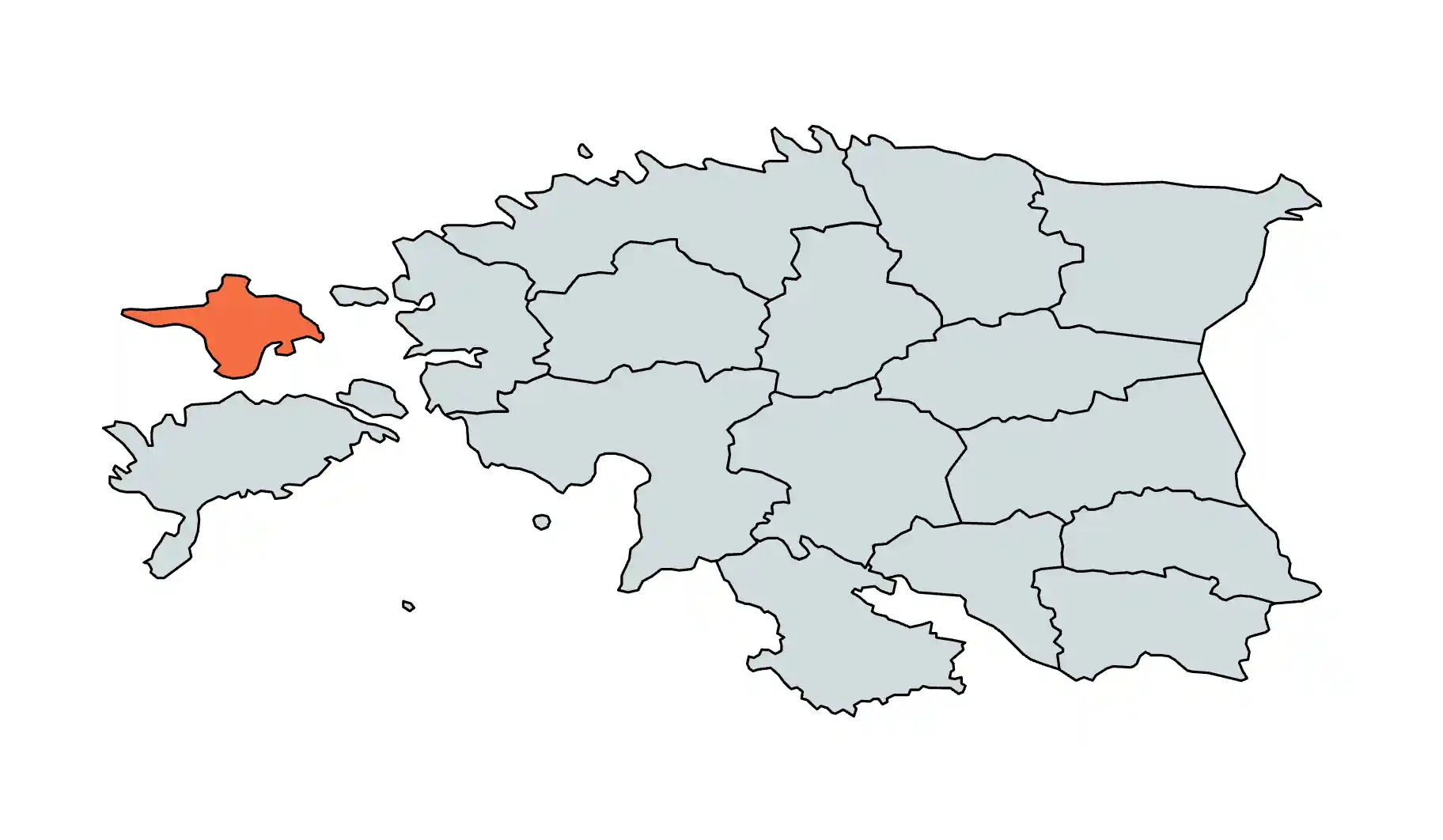
This quiet island of Hiiu county welcomes you with empty roads and the scent of wild juniper. Drive to the center to see the stone Kõpu lighthouse which has guided ships for five hundred years from its hilltop perch. The iron Tahkuna tower at the northern tip offers a different vibe with its elegant French design standing tall against the Baltic waves. Climbing to the top gives you a panoramic view of the rugged shoals that once claimed many merchant ships.
Follow the narrow spit of land at Sääretirp where the sea surrounds you on both sides as you walk toward the vanishing point. The Kärdla meteorite crater provides a strange geological detour with its ancient circular ridges hidden in the greenery. You will find small farm stands along the way selling smoked fish and local honey. The islanders are known for their dry humor and will often share stories about the island's unique history if you stop for a chat.
The Luidja beach stretch is a dream for drivers with the road running right alongside white sand and alder forests. Stop at the Reigi church to hear stories of local legends and ghosts from centuries past. Hiiu is a place where nature feels untouched and the rhythm of the day follows the tides. Every curve in the road reveals a new view of the sea or a hidden clearing where orchids bloom in the tall grass.
Hiiu (county) highlights
- Kõpu Lighthouse Climb one of the oldest lighthouses in the world which has stood on its hill for over five hundred years. The massive stone buttresses and iron top provide a view of the entire island forest and the surrounding sea.
- Sääretirp Gravel Spit Drive to the Kassari peninsula and walk down a long narrow tongue of land that stretches miles into the water. The sea surrounds you on both sides while the scent of wild juniper fills the air along the trail.
- Tahkuna Lighthouse Visit the tall white iron tower at the northern tip which was designed by a famous French engineer. The surrounding woods contain a poignant memorial to the Estonia ferry and several hidden coastal defense batteries.
- Ristna Surf Cape Head to the westernmost point where the waves are the highest in the country and the wind is constant. It is a rugged spot popular with surfers and beachcombers who come to find sea glass among the pebbles.
- Kärdla Meteorite Crater Explore the ridges of an ancient impact site where a giant space rock hit the earth four hundred million years ago. The crater is now covered in lush greenery and offers a unique geological hike through the island center.
- Hiiumaa Eiffel Tower Discover a whimsical wooden replica of the famous landmark built by a local craftsman in his own garden. The tower is surrounded by other strange wooden sculptures and provides a lighthearted stop on any road trip.
- Reigi Church and Cemetery Stop at this stone church to hear the tragic legends that inspired famous local literature about ghosts and star crossed lovers. The old graveyard contains unique wheel crosses that are typical of the coastal islands.
- Luidja Alder Forest Drive through a rare and beautiful forest of twisted alder trees that was planted to stop the shifting sand dunes. The road runs parallel to a massive white sand beach that remains empty even in the height of summer.
- Kassari Chapel Visit one of the only surviving stone chapels with a thatched roof nestled in a quiet grove of junipers. The simple interior and peaceful surroundings offer a moment of quiet reflection during your island journey.
- Orjaku Bird Observation Tower Park by the shallow bays of the south coast to watch thousands of migratory birds gather in the reeds. The wooden boardwalks take you through the wetlands where you can see swans and cranes in their natural habitat.
The local Four
History of Hiiu (county)
Hiiu was literally shaped by a star when a meteorite crashed into the earth over 455 million years ago, creating the deep circular basin of the Kärdla crater. The island was first officially recorded in 1228, but it became famous during the 1500s as one of the most dangerous places for ships in the Baltic Sea. To stop the constant shipwrecks on the jagged rocks, construction on the massive Kõpu Lighthouse began in 1504, making it one of the oldest lighthouses still standing on the planet.
In the 1800s, the island transformed from a quiet fishing outpost into a center for high quality production. The Hüti glass factory opened in 1628 as the first of its kind in the country, and later, the island became known for its high grade wool. Farmers and sailors lived in small, isolated communities where they built unique wooden windmills and developed a very specific kind of dry humor to pass the time during the long, dark northern winters.
The 20th century brought heavy coastal defenses, especially during World War II and the following decades when the island was a strictly guarded border zone. You can still find the massive concrete gun batteries from the 1940s hidden among the junipers at the northern tip. Today, the island feels like a quiet time capsule where the history of the lighthouse keepers and the secrets of the sea are preserved along every winding forest road.