

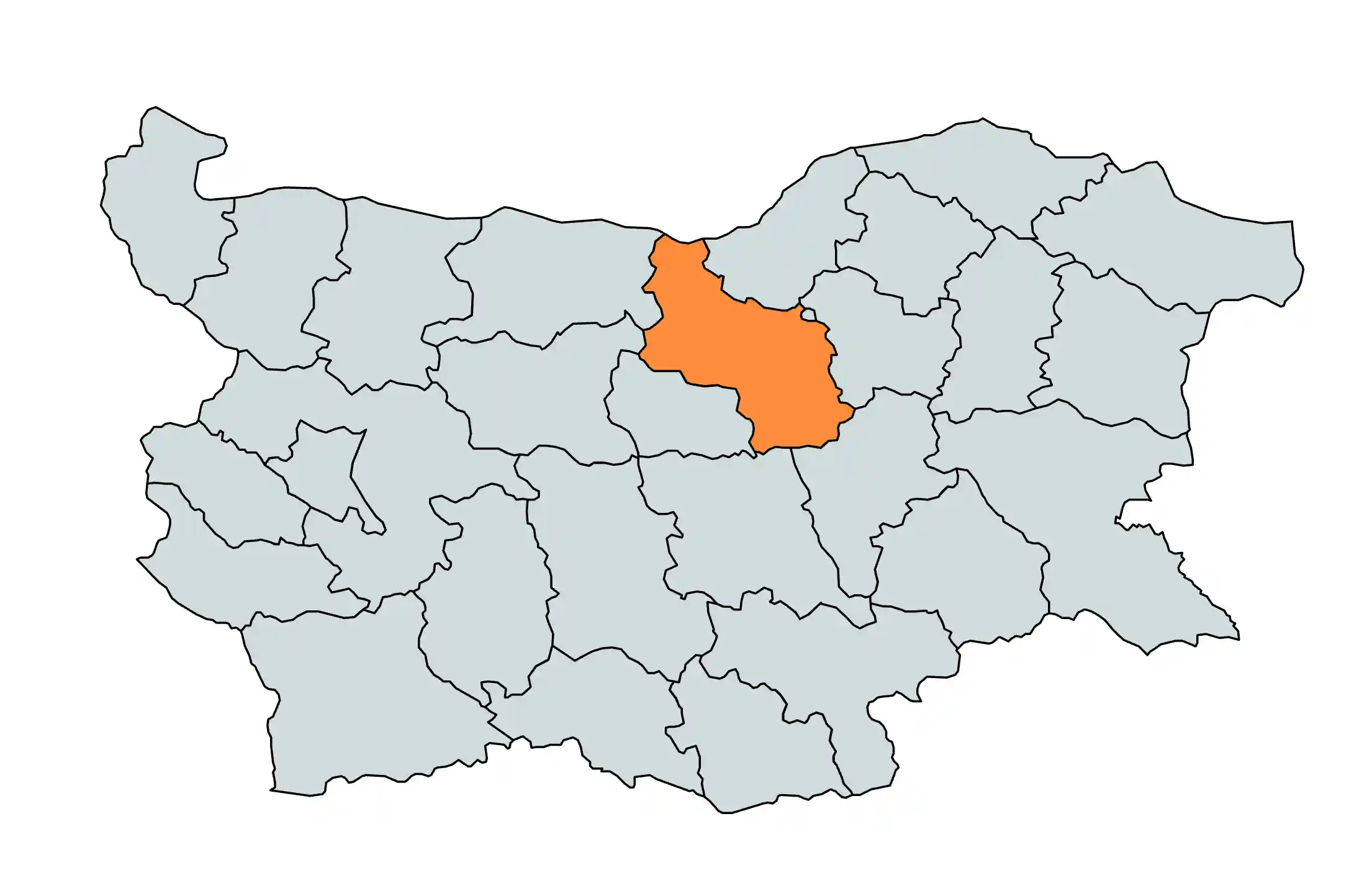
This is the historic province of the tsars. The massive Tsarevets fortress dominates the skyline with its thick stone walls and tall wooden gates. You can walk the same paths once used by the medieval Bulgarian kings. At night the entire hill often lights up with a colorful show of lasers and music. It tells the story of the old empire using the walls as a giant screen. It is the most famous landmark in the entire region.
Drive a few minutes away to the quiet village of Arbanasi. The houses here look like small stone fortresses with very thick walls and heavy doors. You can visit the old churches to see thousands of tiny figures painted on every surface. The view from the village looks down over the winding Yantra River far below. It is a very peaceful spot to enjoy a traditional meal. Many travelers choose to stay here to avoid the crowds of the main city.
Head south toward the mountains to find the blue water of the Hotnitsa waterfall. A short trail leads you to a bright pool at the base of the falling water. You can climb the wooden stairs to see the river from a higher point. The water stays cold and clear even during the peak of summer. This province perfectly blends royal history with the raw beauty of nature. It is a highlight of any trip through central Bulgaria.
Veliko Tarnovo (province) highlights
- Tsarevets Fortress guards the city with massive stone walls and a nightly light show that tells a royal story. Walk to the patriarchal church at the top of the hill for a view of the river and the old town. Explore the gates and towers that once served as the seat of power for the medieval kings of the land.
- Arbanasi Village sits on a high hill featuring stone houses and hidden garden churches near the city center. View rich wood carvings and old paintings inside merchant homes that show the wealth of the past ages. Enjoy the quiet atmosphere of the cobblestone streets while looking out over the fortress on the next hill.
- Hotnitsa Waterfall drops into a bright blue pool at the end of a short and easy river trail in the woods. Climb the wooden stairs to see the top of the cascade and the green valley hidden behind the rocks. Use the picnic area near the water for a relaxing break during a drive through the northern plains.
- Emen Canyon offers a dramatic walk on wooden bridges hanging over a rushing mountain stream in a deep gorge. Follow the trail to a hidden waterfall and view the deep white rocks of the canyon walls. Experience a bit of adventure while seeing the water flow through one of the most beautiful gorges.
- Nicopolis ad Istrum reveals the ruins of a large Roman city with wide stone streets and a central forum. See the remains of old shops and the complex pipes that brought water to the people in the past. Walk among the columns and statues in a quiet place where the history feels very close to you.
- Preobrazhenski Monastery features a famous mural called the Wheel of Life on an outside wall of the main church. Sit in the quiet courtyard with a view of the river and the tall forest trees on the hills. View the white rock walls above the monastery which are popular for climbers and hikers to explore.
- Dryanovo Gorge hides a spiritual monastery and a very deep cave with many large halls between limestone walls. Walk the paths along the river to see where ancient people lived in the rocks thousands of years ago. Enjoy the cool and green air of the canyon even during the hottest months of the summer season.
- Kapinovo Waterfall serves as a popular summer spot for a cold dip in a natural mountain pool near the road. Find a large green area for parking and a nearby monastery that adds a peaceful feel to the site. Join the locals who come here to camp and enjoy the fresh water from the high mountains.
- Kilifarevo Monastery offers a riverside retreat with a long history of book writing and quiet prayer in the woods. Walk through the flower gardens and listen to the water flowing right past the thick stone walls. Stop at this relaxing place before heading south toward the high passes of the Balkan range.
- Samovodska Charshiya remains the old craft street of the city where artists work with clay and silver by hand. Buy traditional sweets and watch the master craftsmen use tools from a past age of Bulgarian art. Find a unique handmade gift while walking the cobblestone streets of the historic market area.
The local Four
History of Veliko Tarnovo (province)
This province was the Third Rome. As the capital of the Second Bulgarian Empire from 1185 to 1393, Tsarevets Hill was a fortress city of 400 houses and 22 churches, where the patriarch and the tsar ruled over a kingdom stretching to three seas. The fall of the city in 1393 was a tectonic shift in European history, leading to the Tarnovo School of Art scholars fleeing to Russia and Serbia, spreading Bulgarian literacy across the Slavic world.
The village of Arbanasi tells a story of survival through wealth. During the 17th century, it was a tax free zone where Greek and Bulgarian merchants built fortress houses with thick stone walls and hidden exits. Inside the humble Church of the Nativity, they painted a Wheel of Life mural one of the most complex theological artworks of the era away from the eyes of the Ottoman authorities. This province was also the site of the first Bulgarian Parliament in 1879.
A road trip here is a drive through the Valley of the Monasteries. The Preobrazhenski Monastery clings to the cliffs of the Dervent Gorge, while the ruins of Nicopolis ad Istrum reveal a Roman city founded by Emperor Trajan to celebrate his victory over the Dacians. From the artisan workshops of the Samovodska Charshiya to the terrifying Execution Rock at the edge of the fortress, the province is the concentrated essence of Bulgarian statehood.