

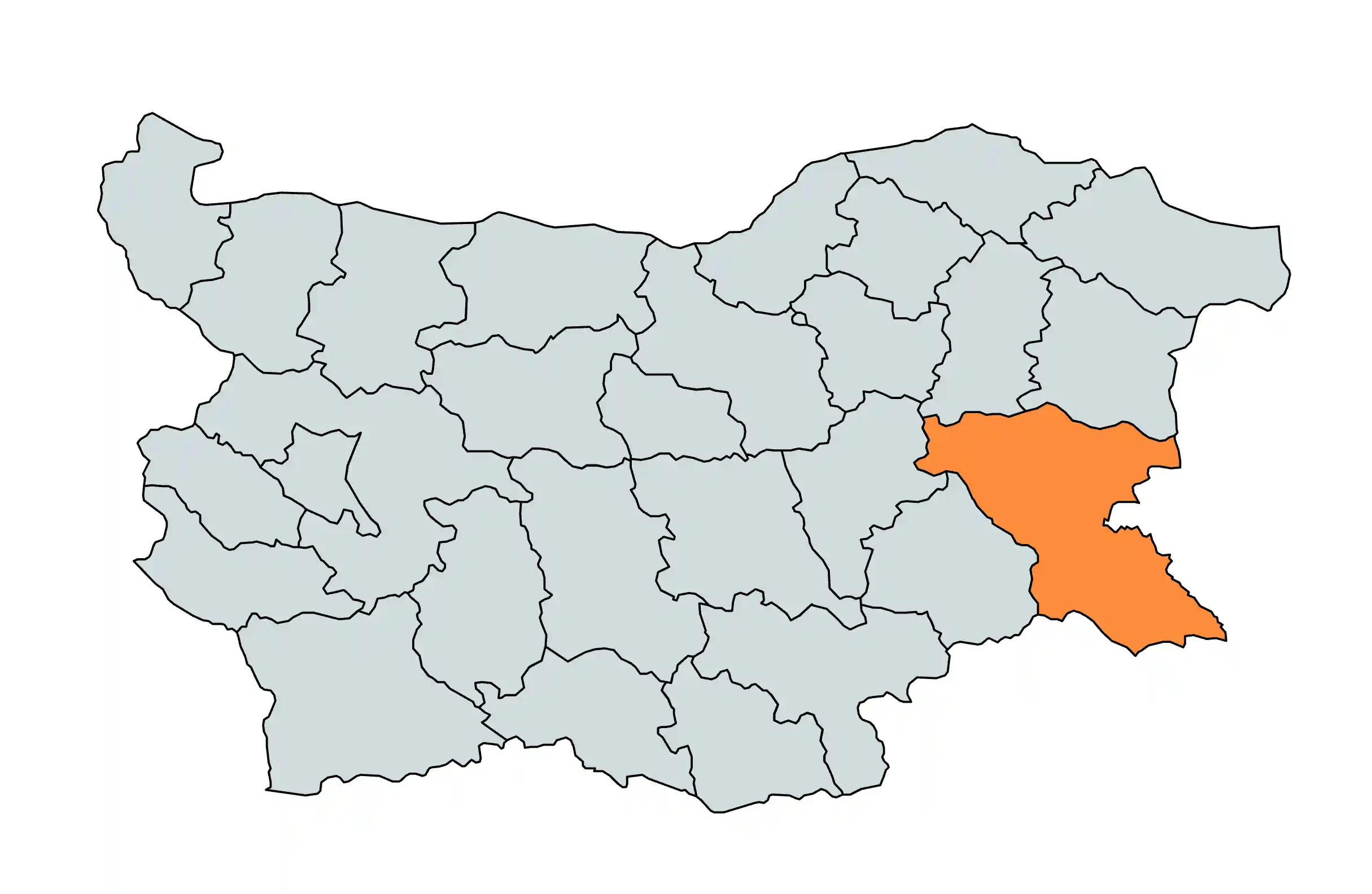
The salt spray hits you the moment you enter the Burgas coastal province. You are now at the center of the southern Black Sea life. Start your journey in the old town of Nessebar. This town sits on a small rocky peninsula connected to the mainland by a long thin road. You can walk past ancient church ruins that have stood since the days of the Byzantine empire. The wooden houses and narrow streets make it a perfect place for a morning stroll.
Drive your car south to find the bright pink waters of the Atanasovsko Lake. This lagoon is a vivid shade of rose due to the salt-loving organisms that live in the water. You will see people covered in black healing mud along the shore. It is a natural open-air spa located right next to the main highway. The lake is also a major stop for thousands of migrating birds twice a year. It is a strange and beautiful sight that you can see right from your car window.
End your coastal trip in the artistic streets of Sozopol. This old fishing village is famous for its tall wooden houses and rocky alleys. You can eat fresh grilled fish at a seaside table while watching the boats return to the harbor. The southern beaches here are wide and usually much quieter than the big resorts. It is the perfect place to park and watch the moon rise over the calm water. The atmosphere here is slow and peaceful compared to the busy city of Burgas.
Burgas (province) highlights
- Old Nessebar covers a tiny island linked to the shore by a long bridge filled with ancient stone churches. Walk the narrow cobblestone paths as sea waves hit the old walls under the wide and blue horizon. Find a quiet spot to watch fishing boats while sitting in a town built thousands of years in the past.
- Atanasovsko Lake features bright pink salt pools that offer a natural mud treatment under the hot summer sun. Watch migrating birds fill the sky during their long flight south over the unique and colorful water. See workers harvest salt by hand and feel the healing power of the dark black lake mud.
- Beglik Tash provides a maze of massive stones moved by hand for ancient sun rituals within a coastal forest. Find the site where tribes once tracked the stars and the seasons near the edge of the blue sea. Experience the mysterious energy of giant rocks located just a short drive from the busy beach towns.
- Ropotamo River flows through a nature reserve where turtles and rare white water lilies live in the quiet water. Drive through a dense forest tunnel to reach the boat station near the calm river mouth and the sea. See the wild side of the coast where the green woods meet the edge of the blue water.
- Strandzha Nature Park holds hidden Thracian altars and quiet river villages near the southern border and the sea. Follow remote roads through deep oak forests that stretch for miles across the rolling green hills. Discover rare plants and ancient traditions in the most wild and wooded province in the entire land.
- St. Anastasia Island rises as a volcanic rock in the sea featuring a small church and a cozy lighthouse. Take a short boat trip from the city to walk the tiny paths and eat fresh seafood by the waves. Escape the city noise for a few hours in a place that feels far away from the busy port.
- Arkutino Beach offers wide sandy shores and rare white lilies growing in the dunes near the forest edge. Park the car and enjoy the wild side of the coast where the water stays very clear and blue. Walk for miles along the soft golden sand and see very few buildings or crowds of people.
- Pomorie Salt Museum shows how the sun turns sea water into salt using tools and methods from the past. Walk through the salt pans and learn how the local people have lived from the sea for many years. Visit this unique stop to see a craft that has not changed in a very long time.
- Sozopol Old Town features wooden houses and narrow alleys on a rocky cape overlooking a busy fishing harbor. Walk along the high sea walls to find hidden cafes with a view of the boats and the horizon. Experience the romantic feel of one of the oldest towns on the coast during a summer night.
- Chengene Skele exists as a unique fishing village with small canals and colorful wooden huts near the city. Eat fresh fish soup and see the local life in a place that feels very simple and authentic. Visit this hidden gem to find a spirit that is different from the large and modern resorts.
The local Four
History of Burgas (province)
The history of Burgas Province is a 3,000 year maritime chronicle anchored by the city states of Apollonia Pontica and Mesembria. In the 6th century BC, these ports were so wealthy they minted silver coins with an anchor symbol, which remains the region icon today. The island of St. Anastasia, a volcanic rock in the bay, served as a pirate raid target, a monastery, and even a political prison, embodying the turbulent shifts of the Black Sea.
In the medieval era, the province was protected by the Erkesiya, a massive 131 km long earthen wall that marked the border between the Bulgarian Empire and Byzantium. South of the resorts lies the Strandzha, a mysterious mountain range home to the Nestinari fire walkers, who perform ancient pagan rituals on hot embers. This area was also the site of the Preobrazhenie Uprising in 1903, where local Bulgarians attempted to redraw the map of the Balkans.
A drive south reveals the Beglik Tash Thracian sanctuary, a megalithic clock where giant stones were moved by hand to track the summer solstice. The salt pans of Atanasovsko Lake have been harvested since the Romans, creating a pink hued landscape that connects modern industry to ancient trade. From the underwater ruins of Poroimane to the wooden houses of the coast, the province is a testament to man mastery over the sea.