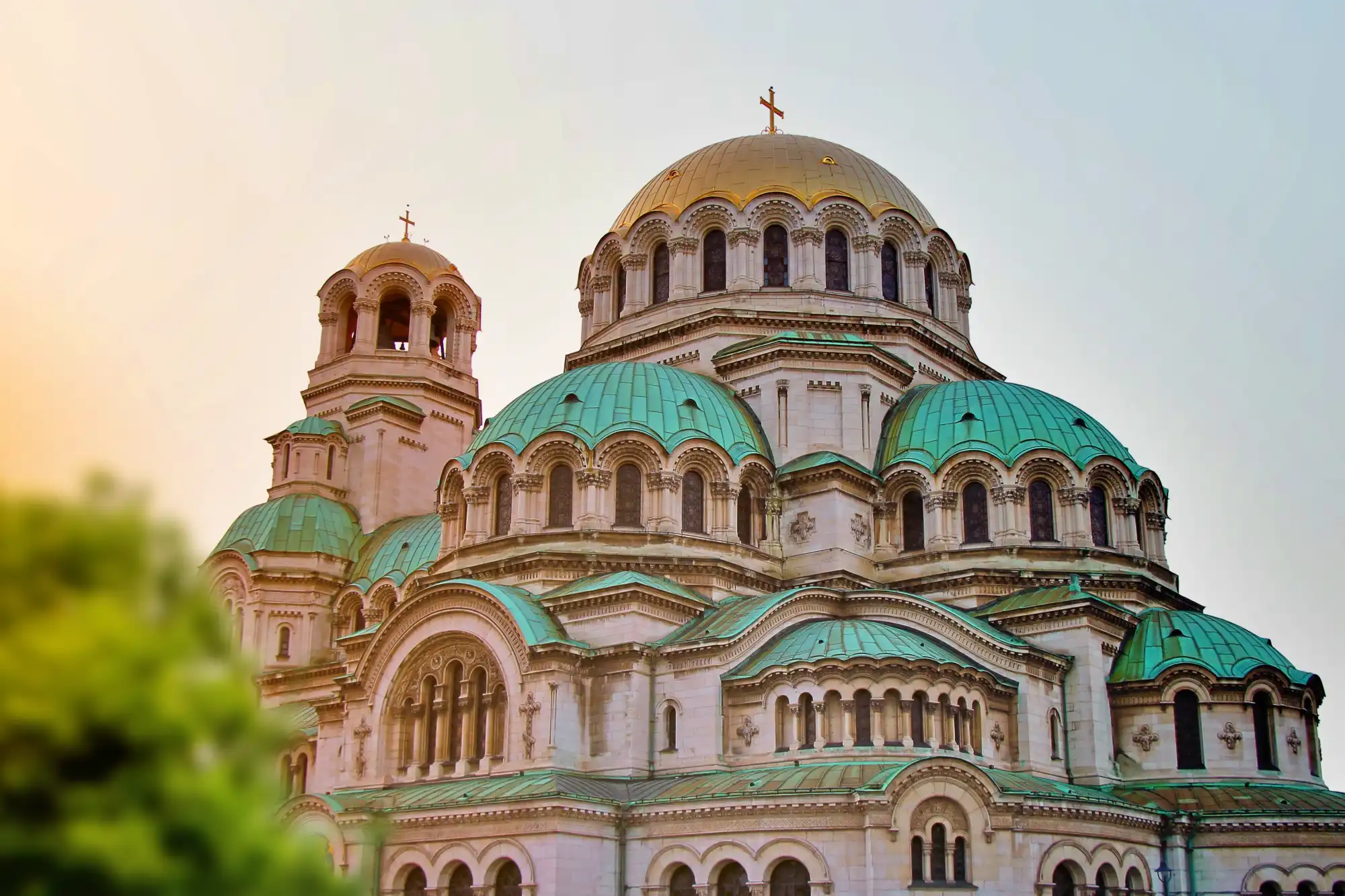
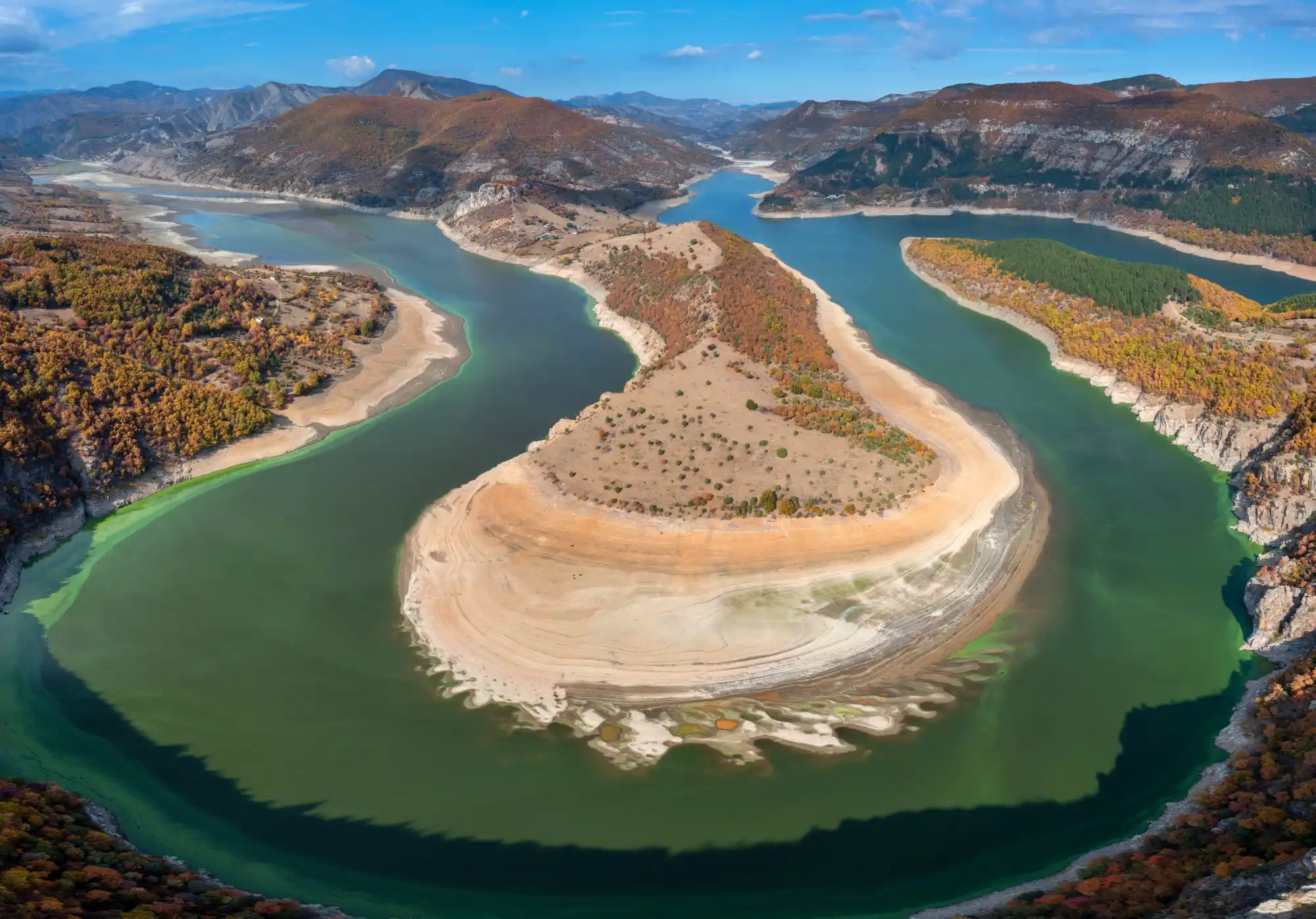
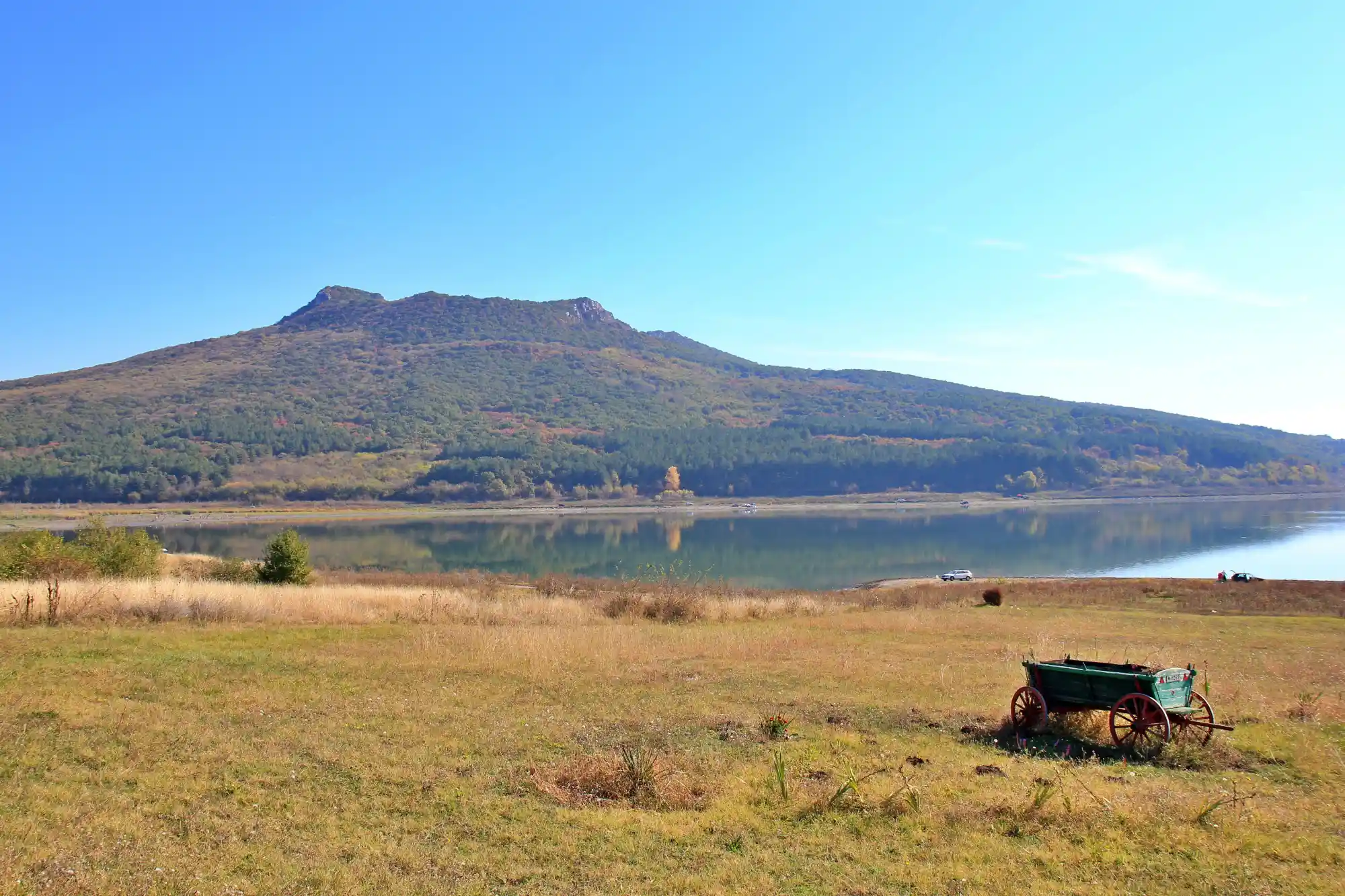
Bulgaria surprises you right away with its bold contrasts, deep history and landscapes that shift from coast to mountains in a blink. Sofia mixes bold Soviet era blocks with Roman streets buried under glass floors. Golden domes shine above busy boulevards and Vitosha Mountain rises close enough to reach in minutes. In Plovdiv you can walk straight from a modern cafe into an ancient Roman stadium hidden beneath the city.
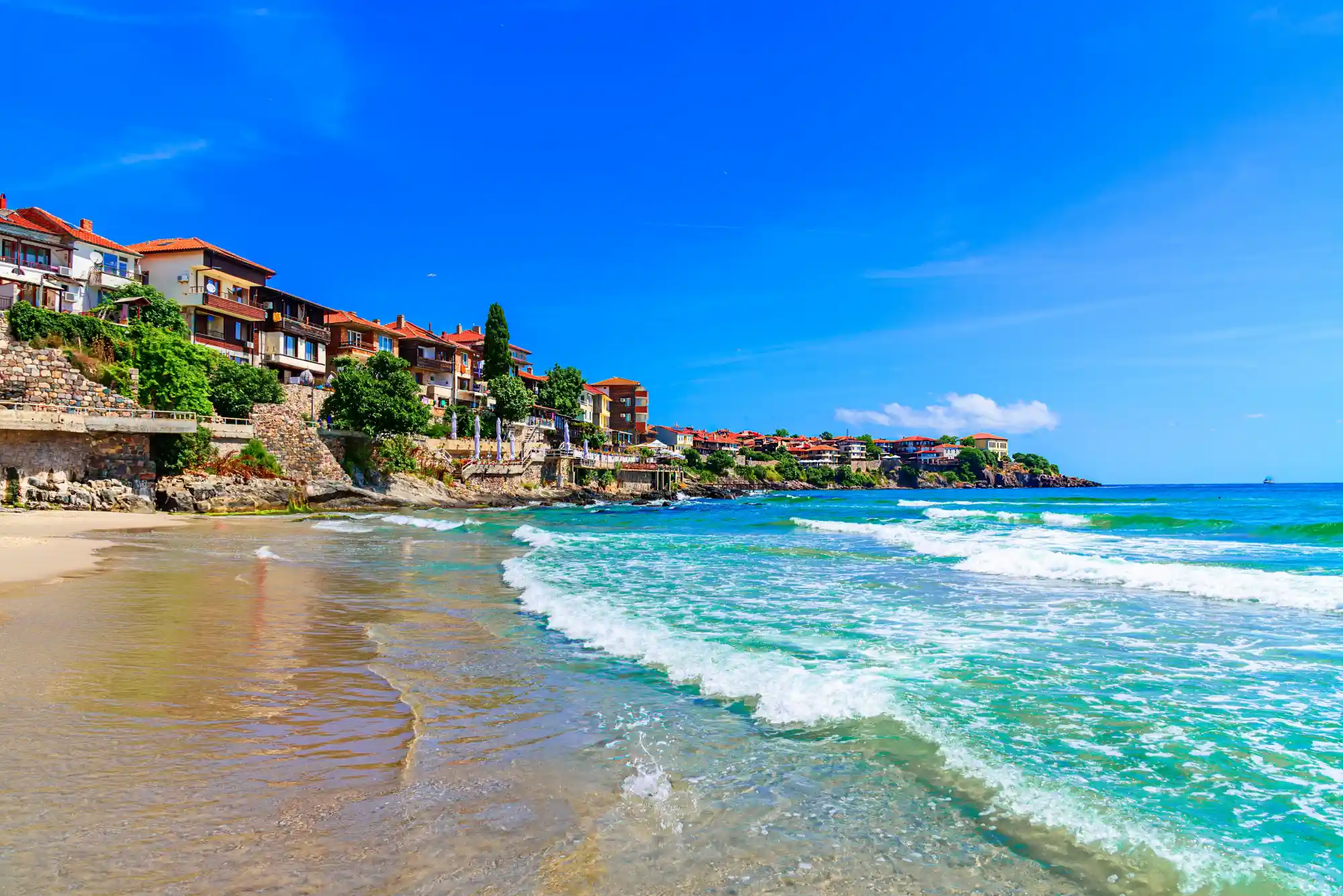
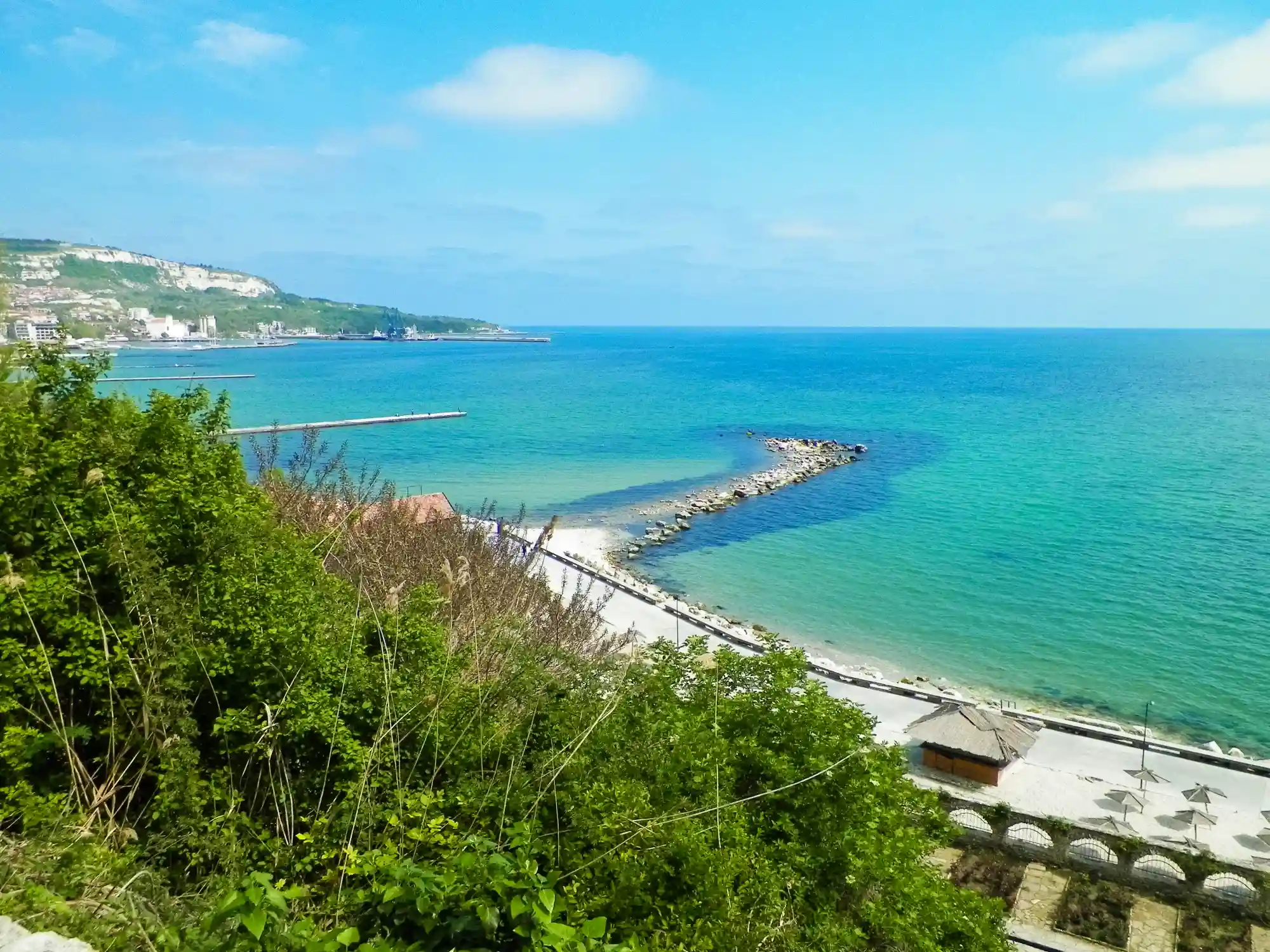
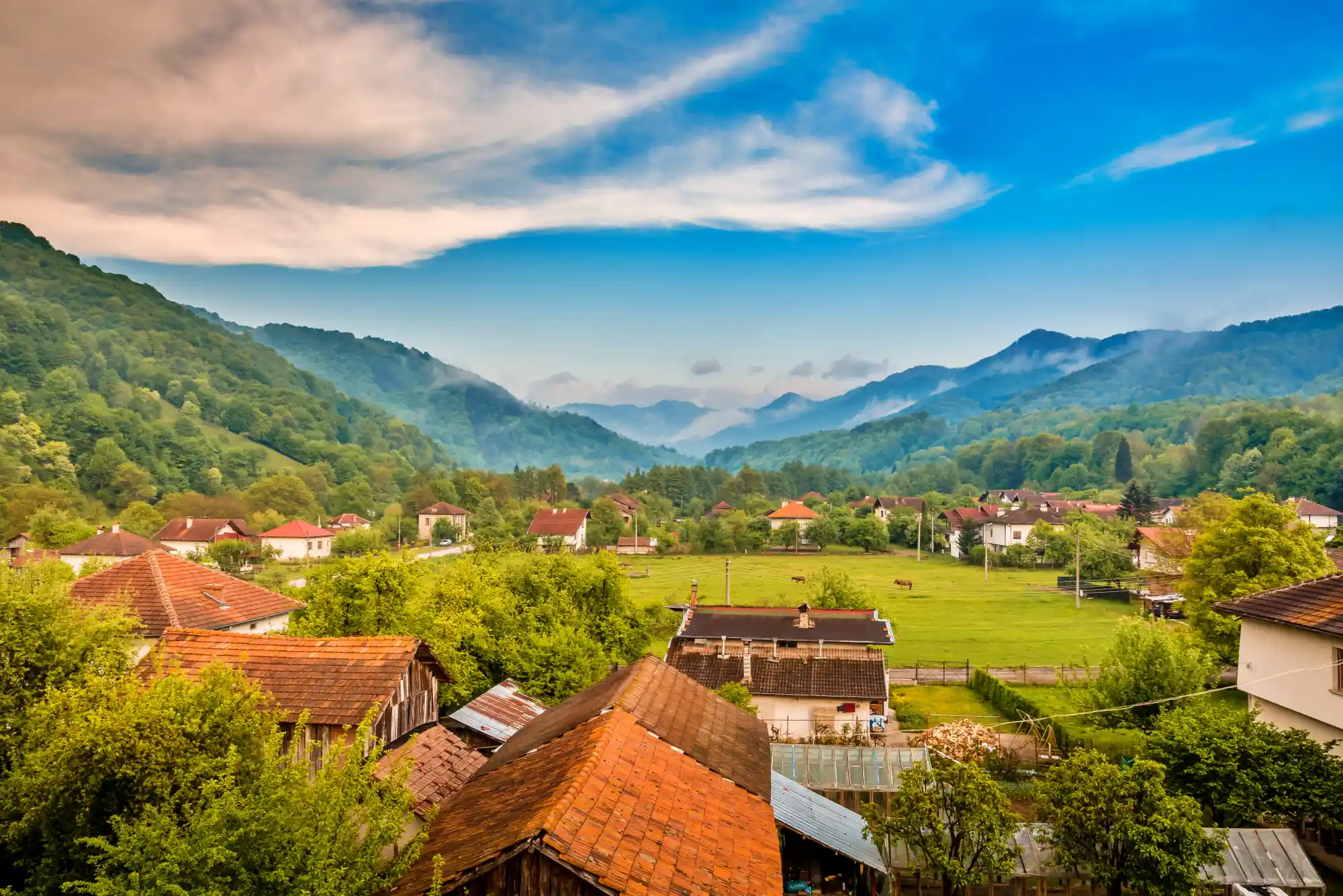
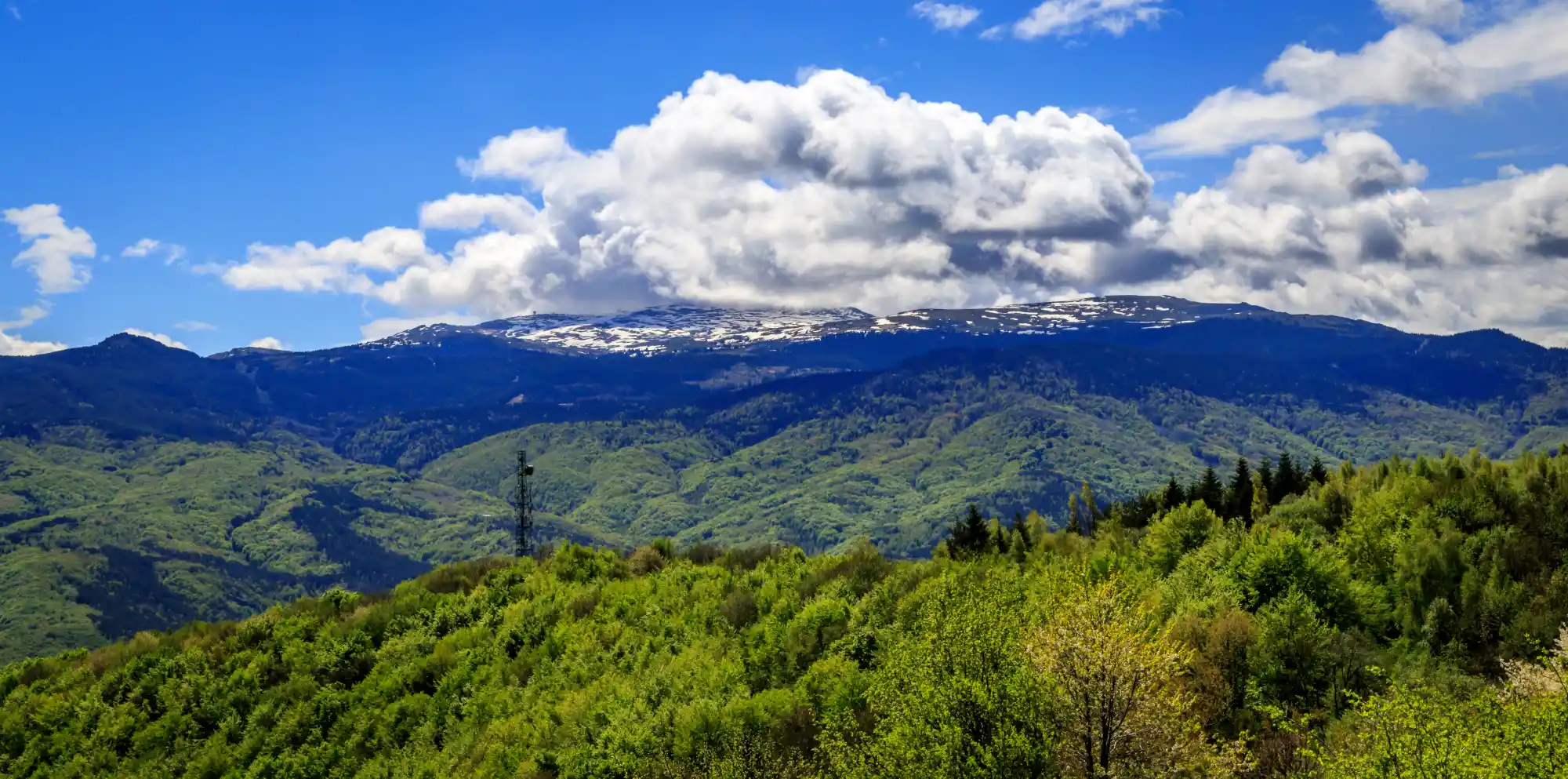
Travel deeper and the scenery changes fast. The Rhodope Mountains are filled with forests, cliffs and quiet villages where time slows down. The Balkan Range cuts across the country with high peaks and wide views. The Black Sea coast has long beaches, warm water, and old towns like Sozopol and Nesebar that carry traces of Thracians and Greeks.
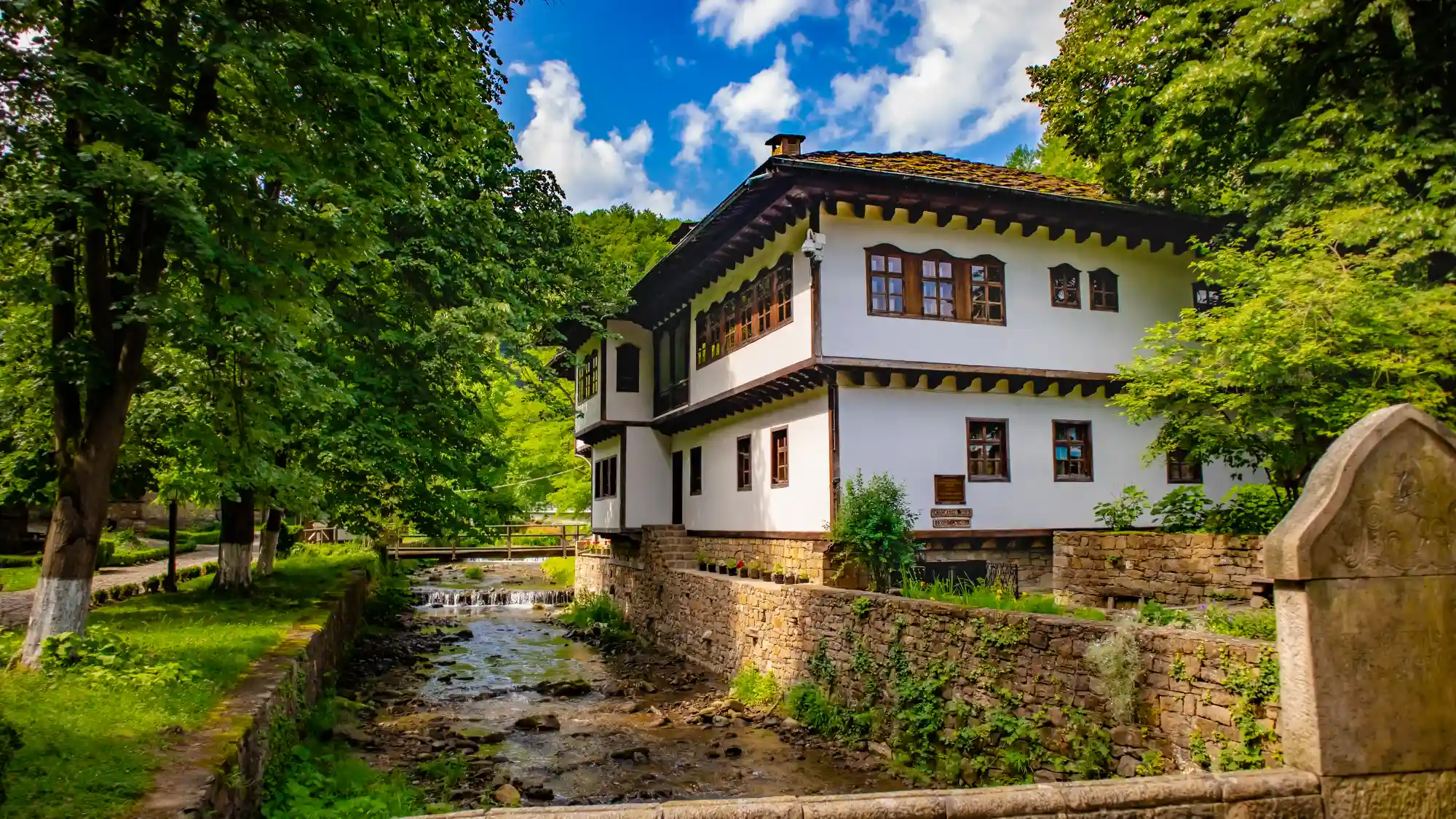
Bulgarian life is full of color and tradition. People gather for lively folk dances, spring festivals and rose harvests in the Valley of Roses. Fresh yogurt, grilled meats and sweet pastries fill every table. The country has a humble charm that draws you in through small details: a hidden monastery in the hills, a quiet beach at sunrise or the sound of village music drifting through the night. Bulgaria offers a trip that feels surprising and full of character.
Origins of Cyrillic alphabet The Cyrillic alphabet originated in Bulgaria. Created during the First Bulgarian Empire in the 9th century, it remains the official script in many Slavic countries and is an important cultural legacy of Bulgaria.
Valley of Roses Bulgaria produces about 70% of the world's rose oil, known as "Bulgarian rose oil," which is a key ingredient in perfumes and cosmetics globally. There are also festivals in the Valley of Roses every spring celebrating the blooming of the Damask rose and includes crowning a Rose Queen.
Masters of Yogurt Bulgaria is famous for its yogurt, made with Lactobacillus bulgaricus, a unique bacteria discovered in the early 20th century that gives the yogurt its distinctive taste. Traditionally made from sheep’s milk, it is a staple in Bulgarian cuisine.
Baba Marta Famous for its Baba Marta Day on March 1st, where people exchange and wear red-and-white woven bracelets called Martenitsi to welcome spring and promote health and happiness. This ancient tradition dates back thousands of years.
Explore the regions
Yambol
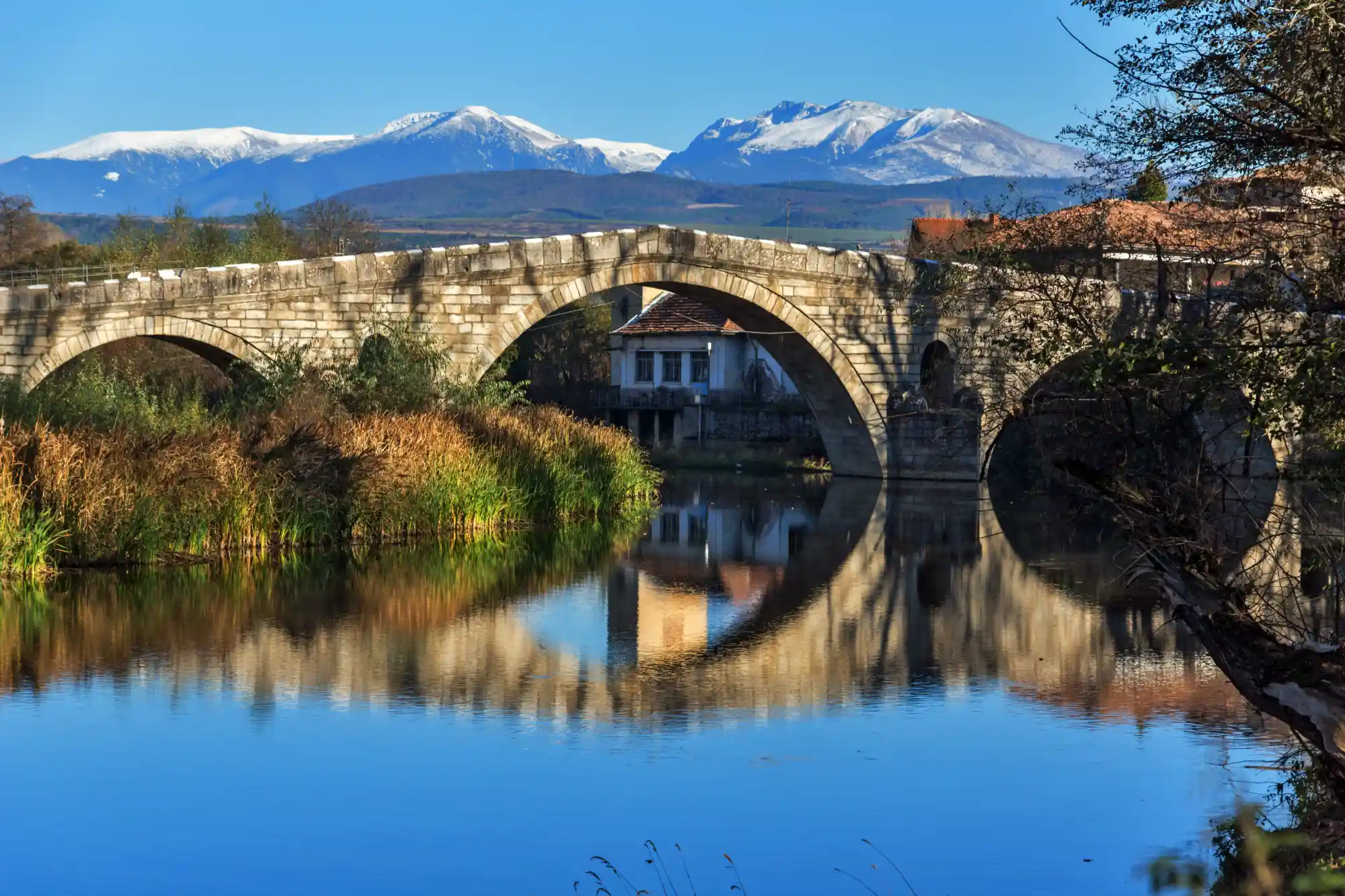
Drive to the ancient city of Kabile to see the Thracian sun sanctuary and the well-preserved Roman army barracks and baths
Sofia
Follow the foothills of the Vitosha dome to reach the tenth century Boyana Church and its world-class medieval frescoes
Haskovo
Stand at the foot of the world’s tallest statue of the Virgin Mary overlooking the sun-drenched tobacco fields of the south
Varna
Drive the golden coast where the world’s oldest processed gold was unearthed from a prehistoric necropolis near the deep blue sea
Vidin
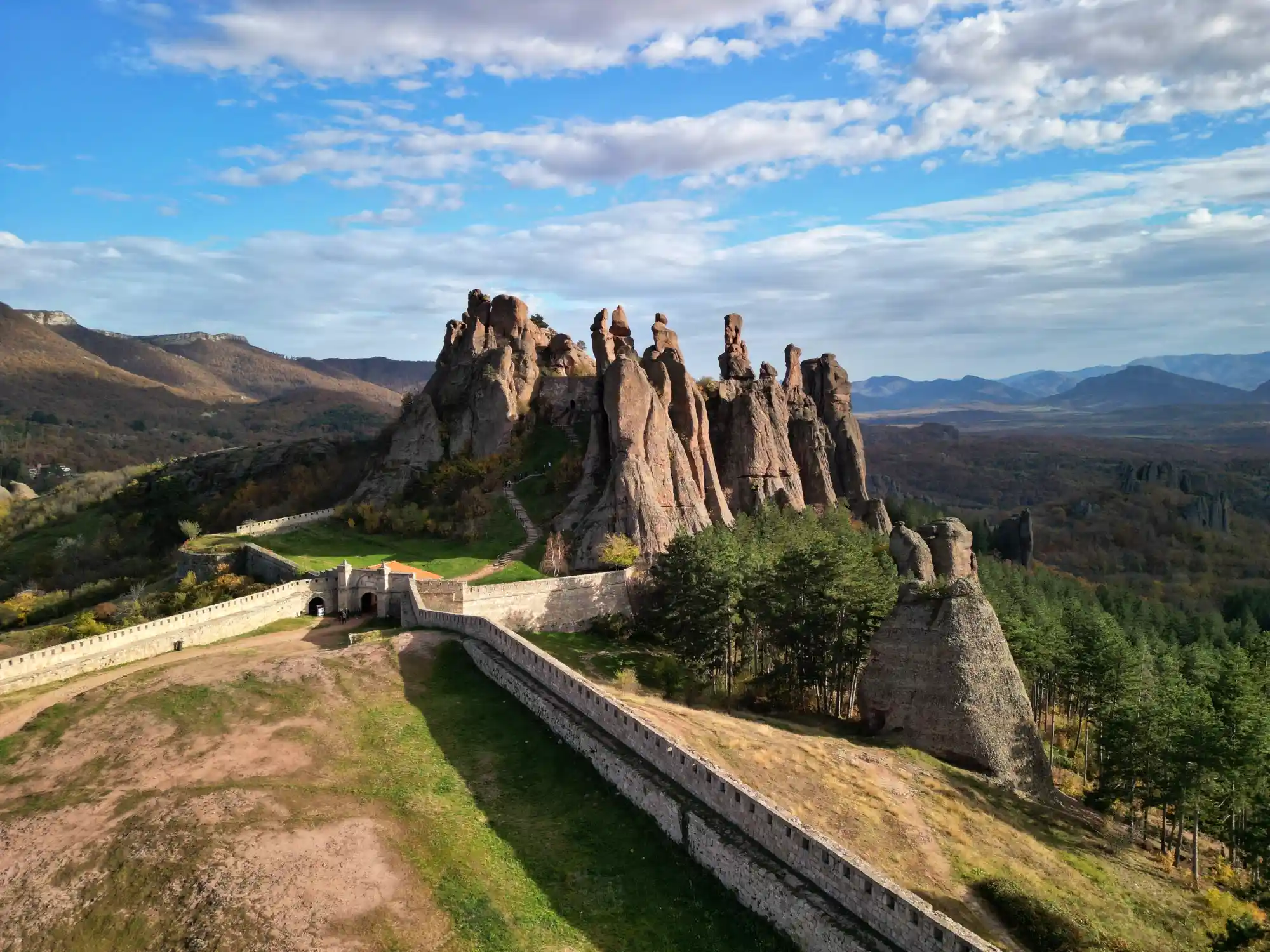
Trace the Danube to the Baba Vida fortress, the only entirely preserved medieval castle found anywhere in the vast river valley
Burgas
Follow the southern shore to discover the sunken ruins of ancient Nesebar and the pink salt lagoons lining the Black Sea coast
Blagoevgrad
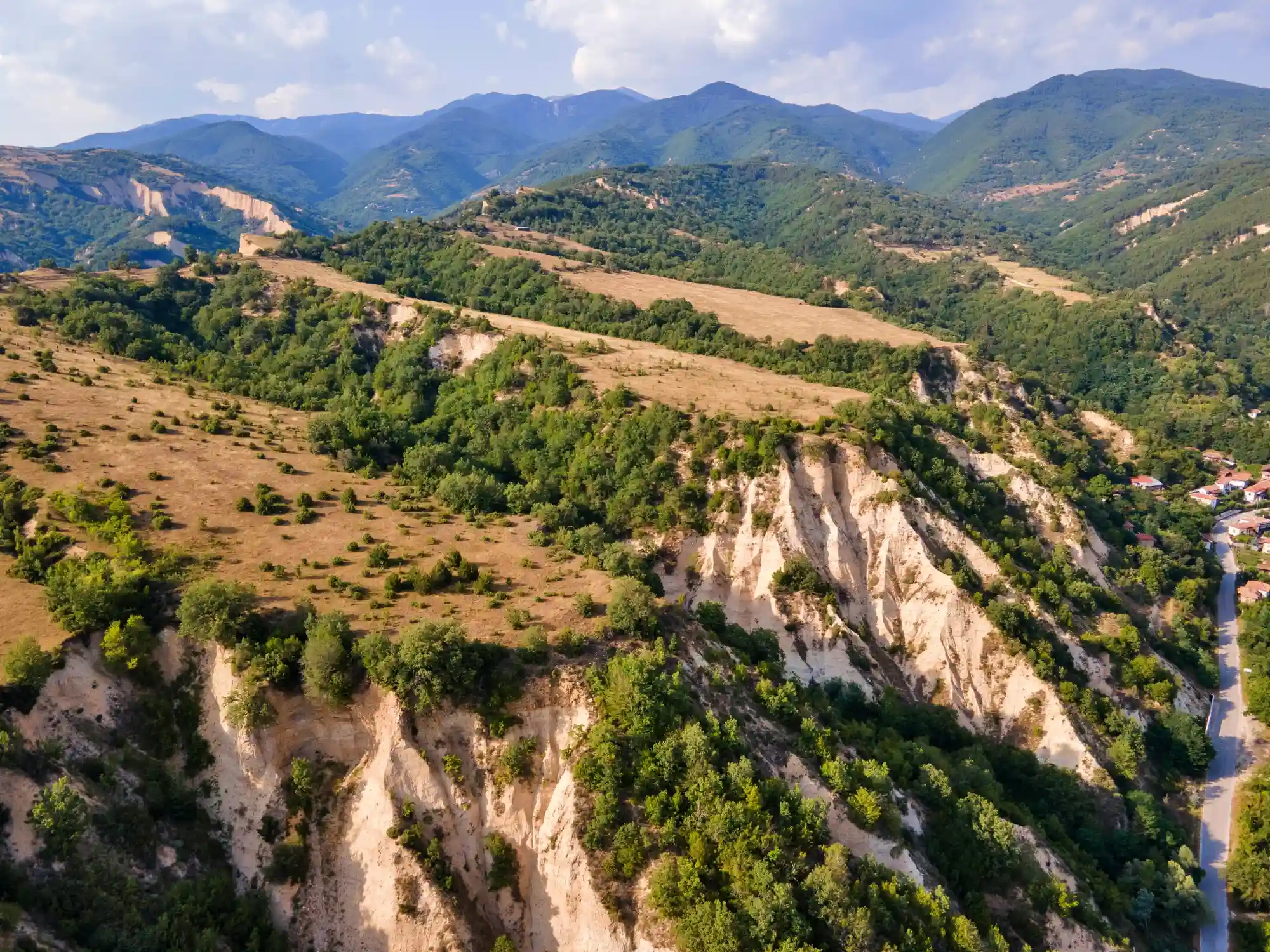
Ascend the jagged granite ridges of the Pirin range to find glacial lakes and the steep Melnik sand pyramids hidden in the south
Vratsa
Navigate the deep Balkan limestone gorges to reach the thundering chutes of Skaklya, the highest seasonal waterfall in the country
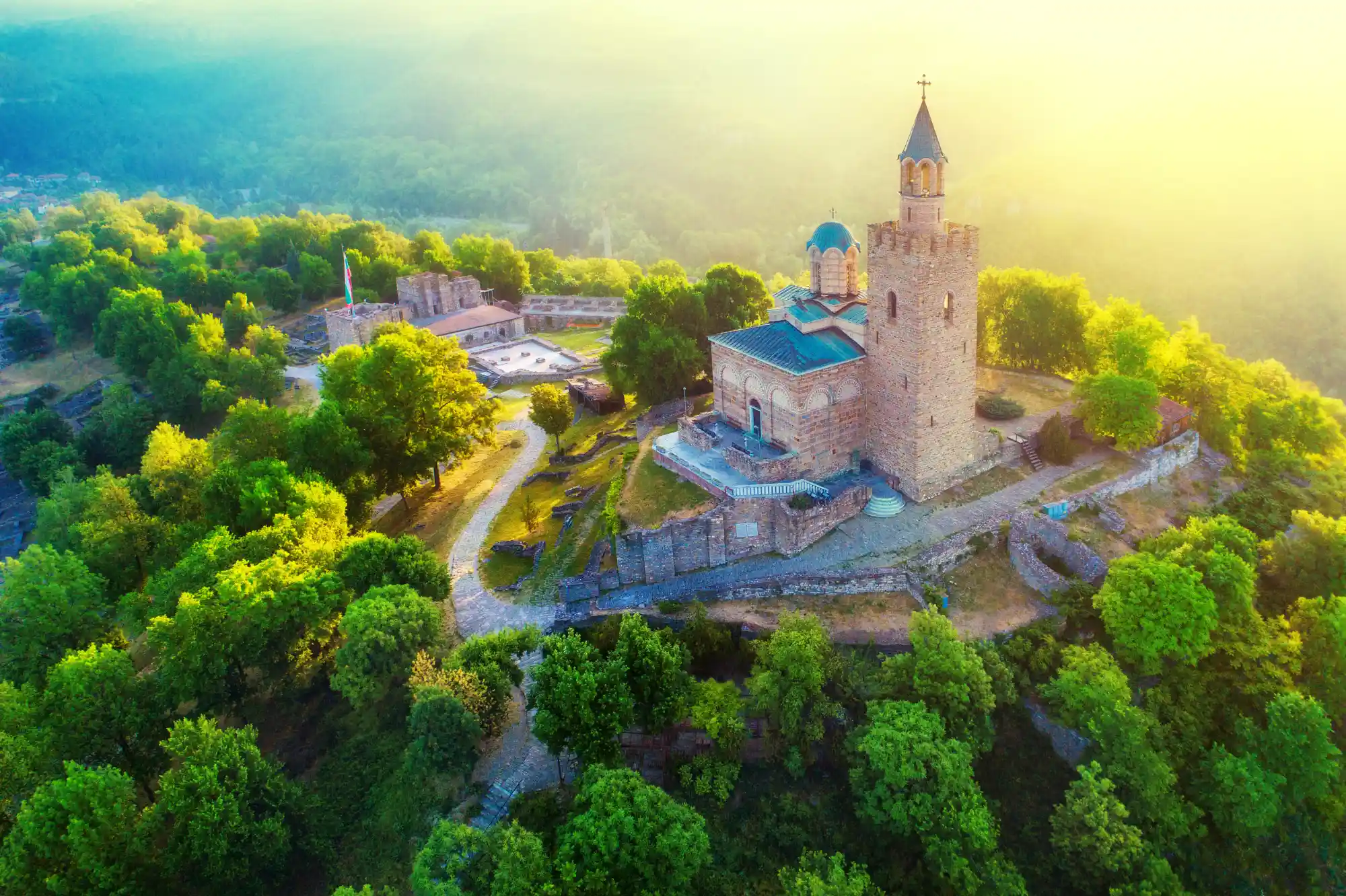
Veliko Tarnovo
Conquer the massive Tsarevets fortress to stand where medieval tsars once ruled from a majestic city of vertical stone houses
Kyustendil
Wander through ancient Roman thermal baths and sprawling cherry orchards located at the foot of the green Osogovo mountains
Kardzhali
Scour the Rhodope peaks for the Perperikon ruins, a sacred rock city carved into the stone by ancient Thracians long ago
Dobrich
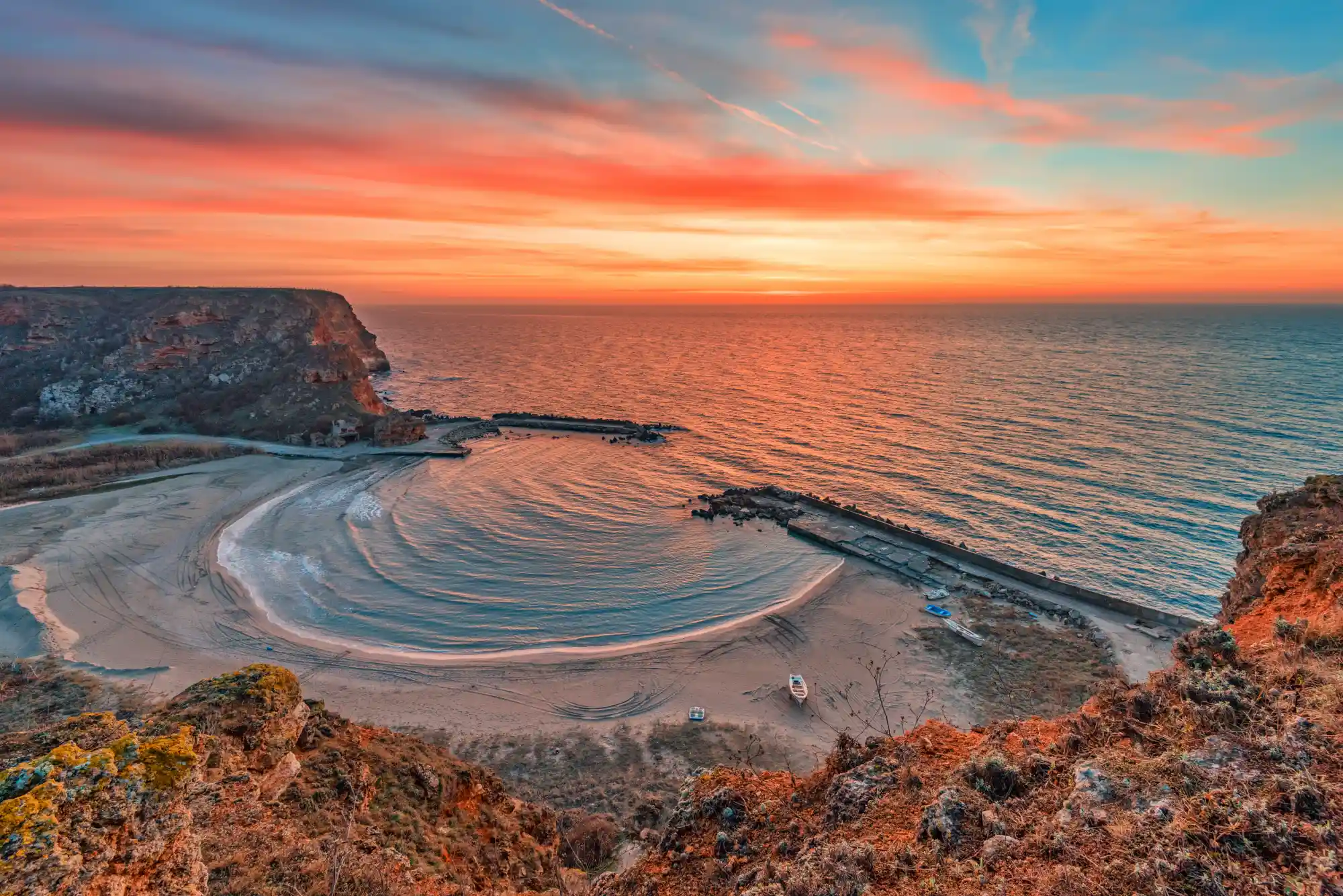
Cruise the flat northern steppes to the red cliffs of Kaliakra where the rocky land drops sharply into the turquoise sea
Gabrovo
Traverse the Shipka Pass to see the giant UFO-shaped monument and the bustling open-air craft workshops of the central hills
Lovech
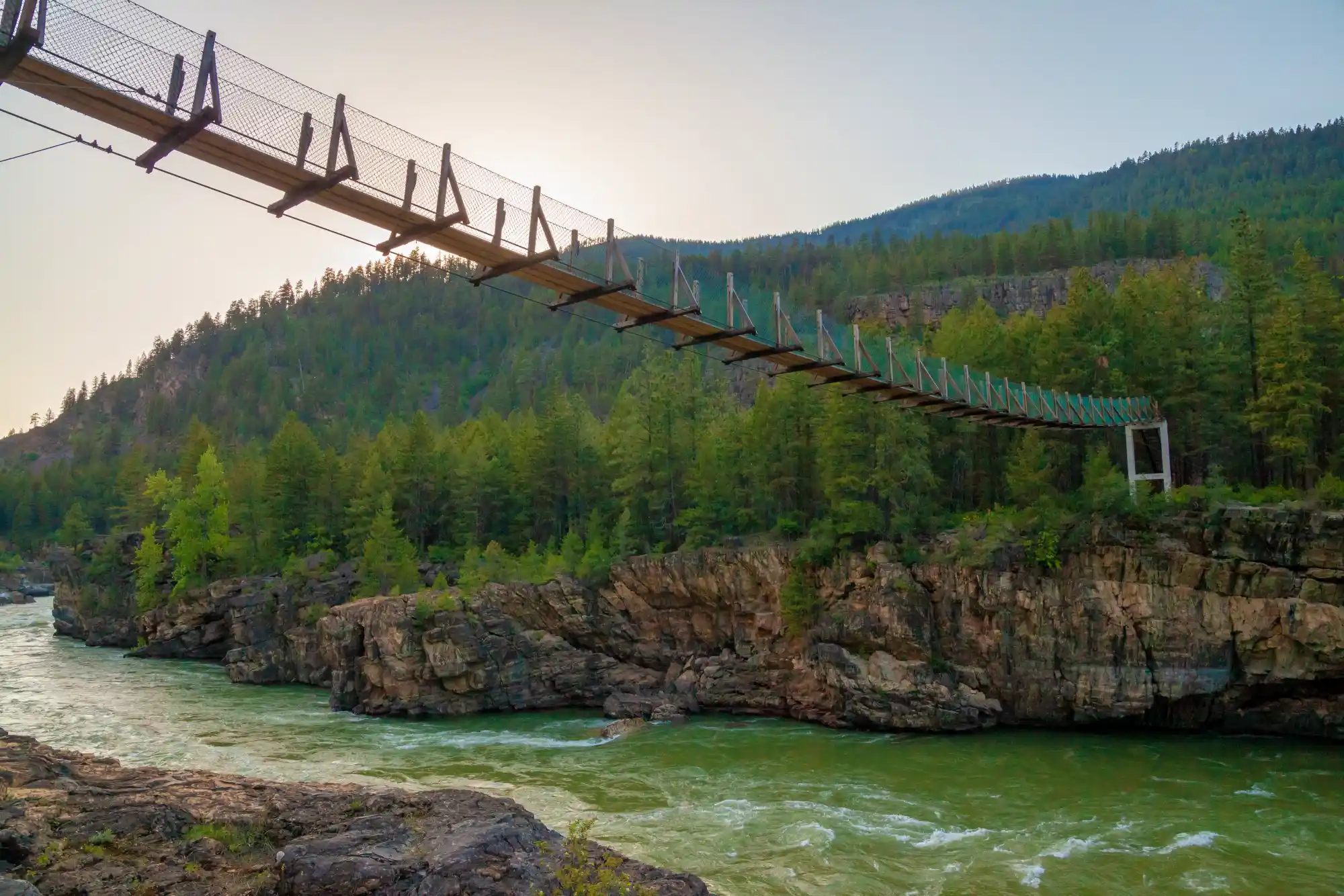
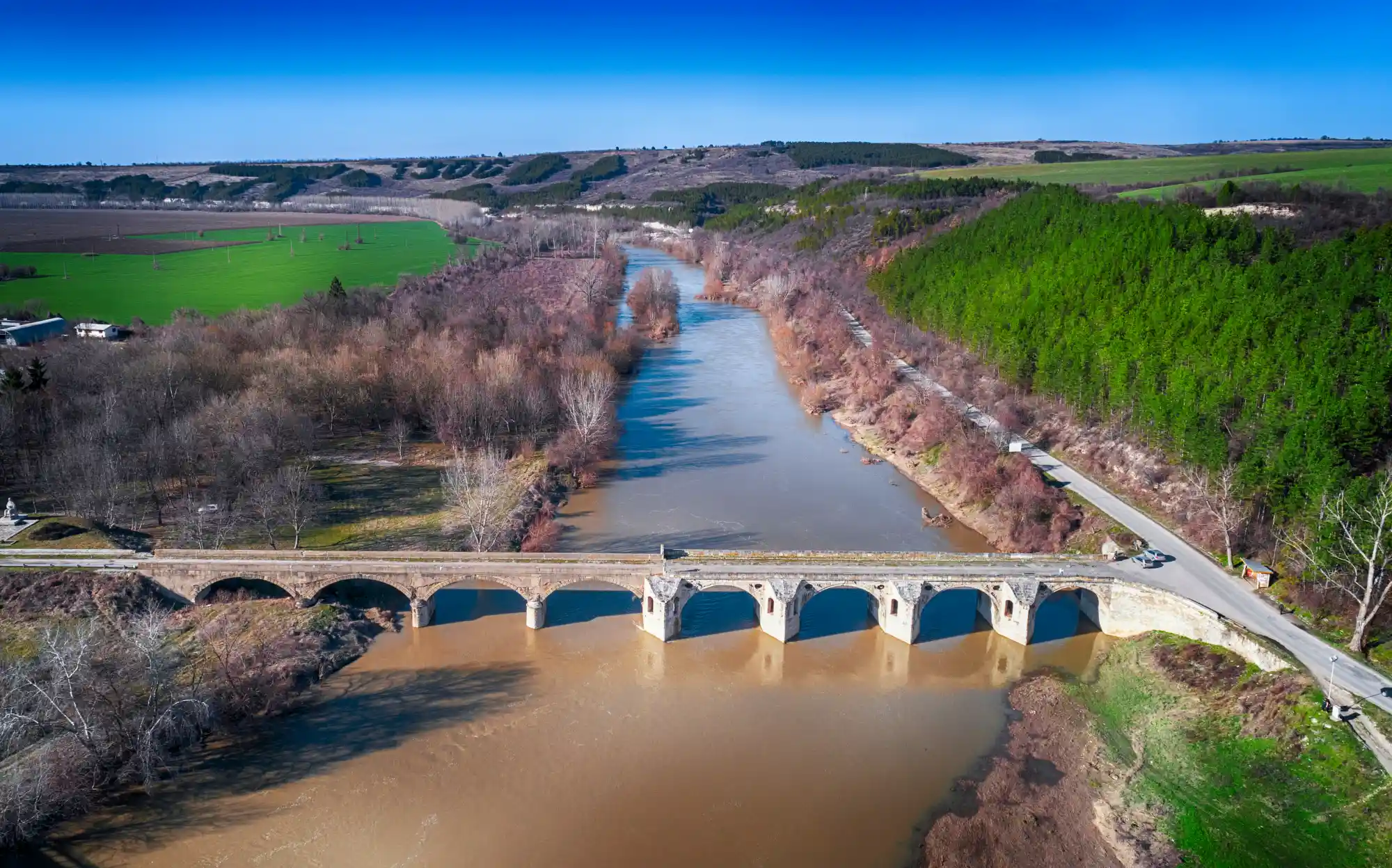
Cross the only covered bridge in the Balkans and descend into the massive Devetashka cave’s sunlit chambers and rocky tunnels
Montana
Explore the northwestern wilderness where the Chiprovtsi carpet weavers preserve a colorful centuryies-old tradition within their mountain villages
Pazardzhik
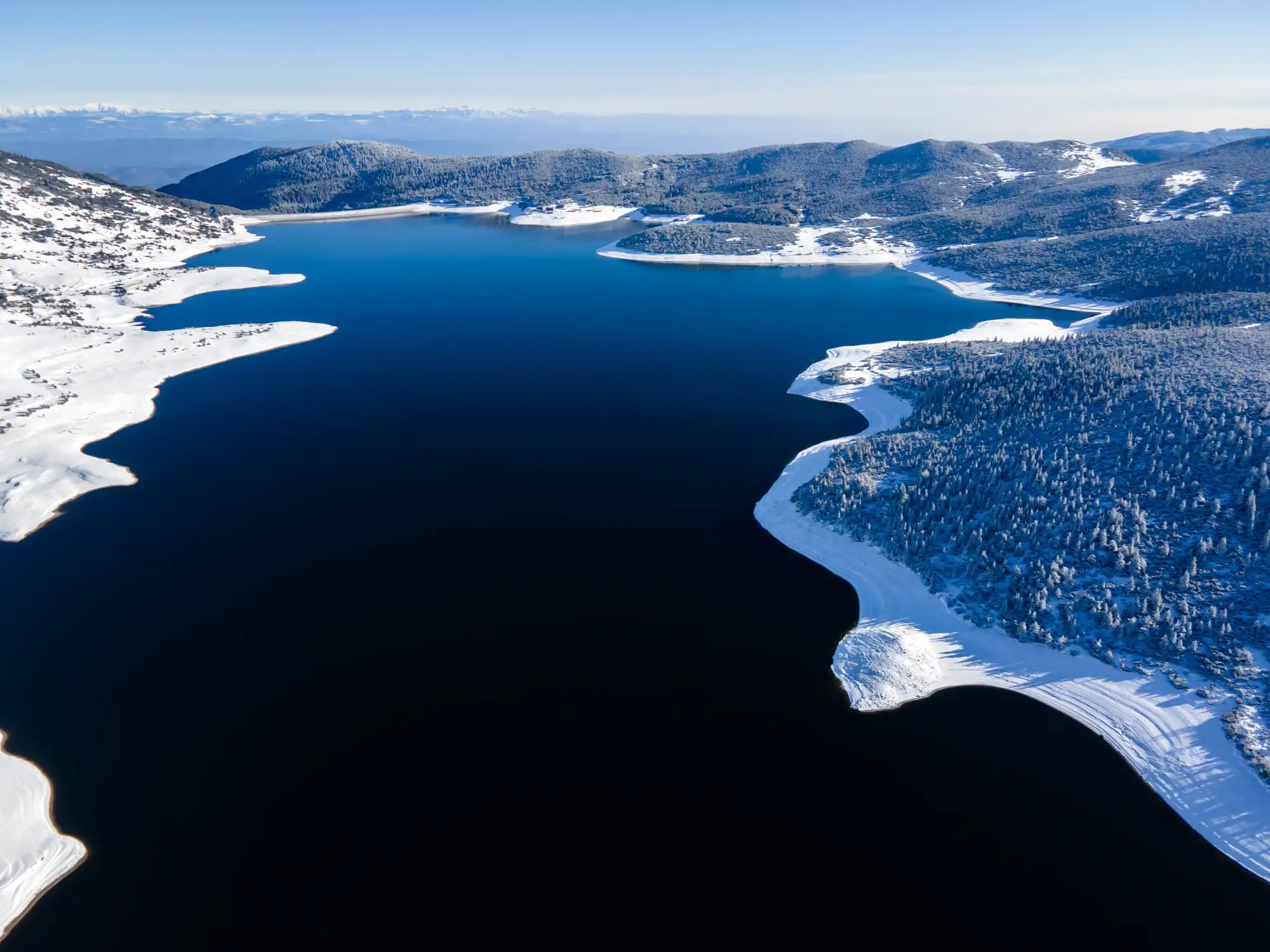
Drive through the Thracian valley to reach the high-altitude pine forests and alpine dams of the scenic Batak mountain region
Pernik
Visit the underground mining museum or time your trip for the winter Surva festival of shaggy masked dancers and fire
Plovdiv
Walk the cobblestones of the oldest continuously inhabited city in Europe to find a majestic second century Roman theater
Ruse
Admire the grand Belle Époque facades of the Little Vienna of the north sitting on the wide banks of the Danube
Razgrad
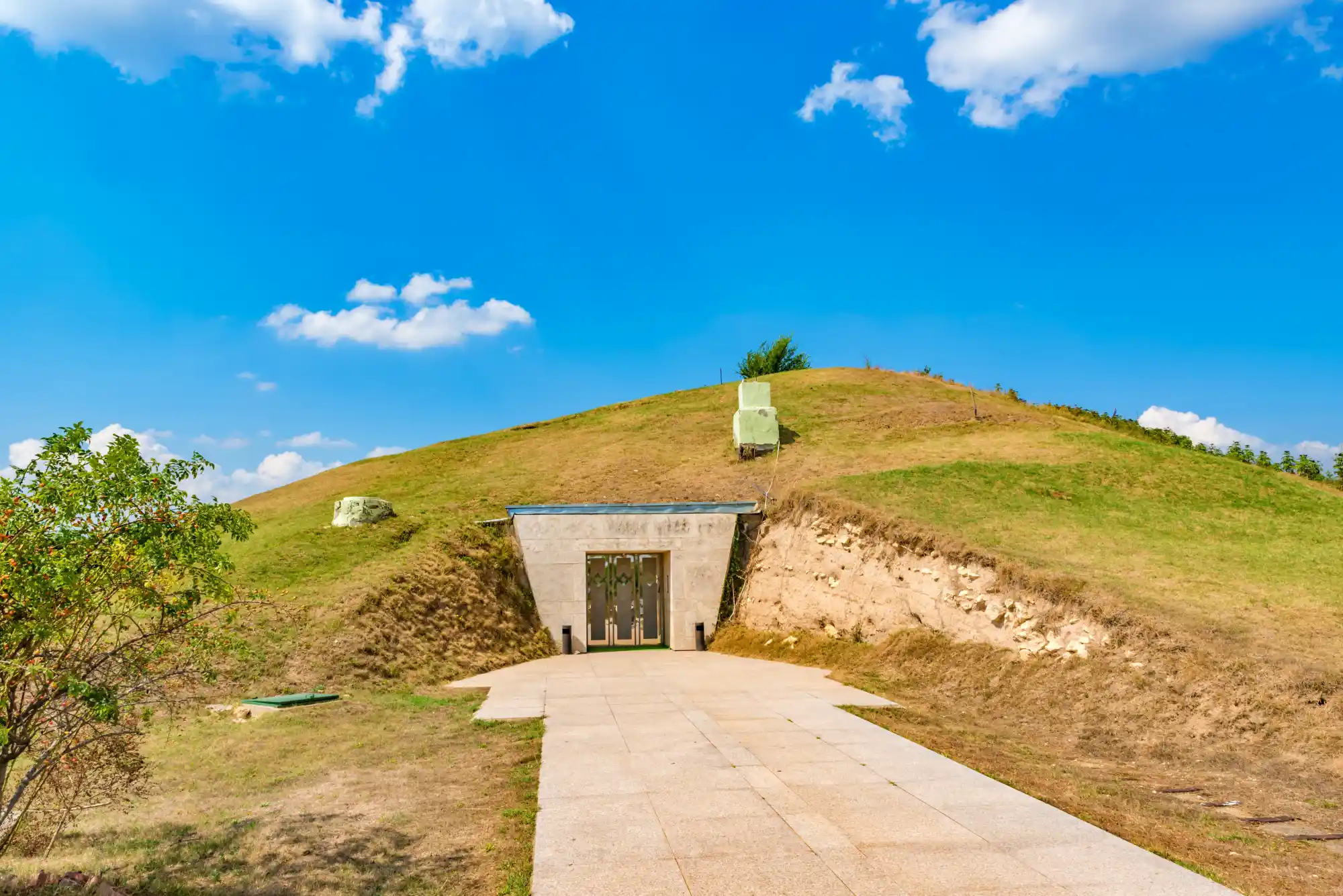
Discover the Roman city of Abritus where emperors once fell in battle and Thracian gold treasures remain buried in the soil
Pleven
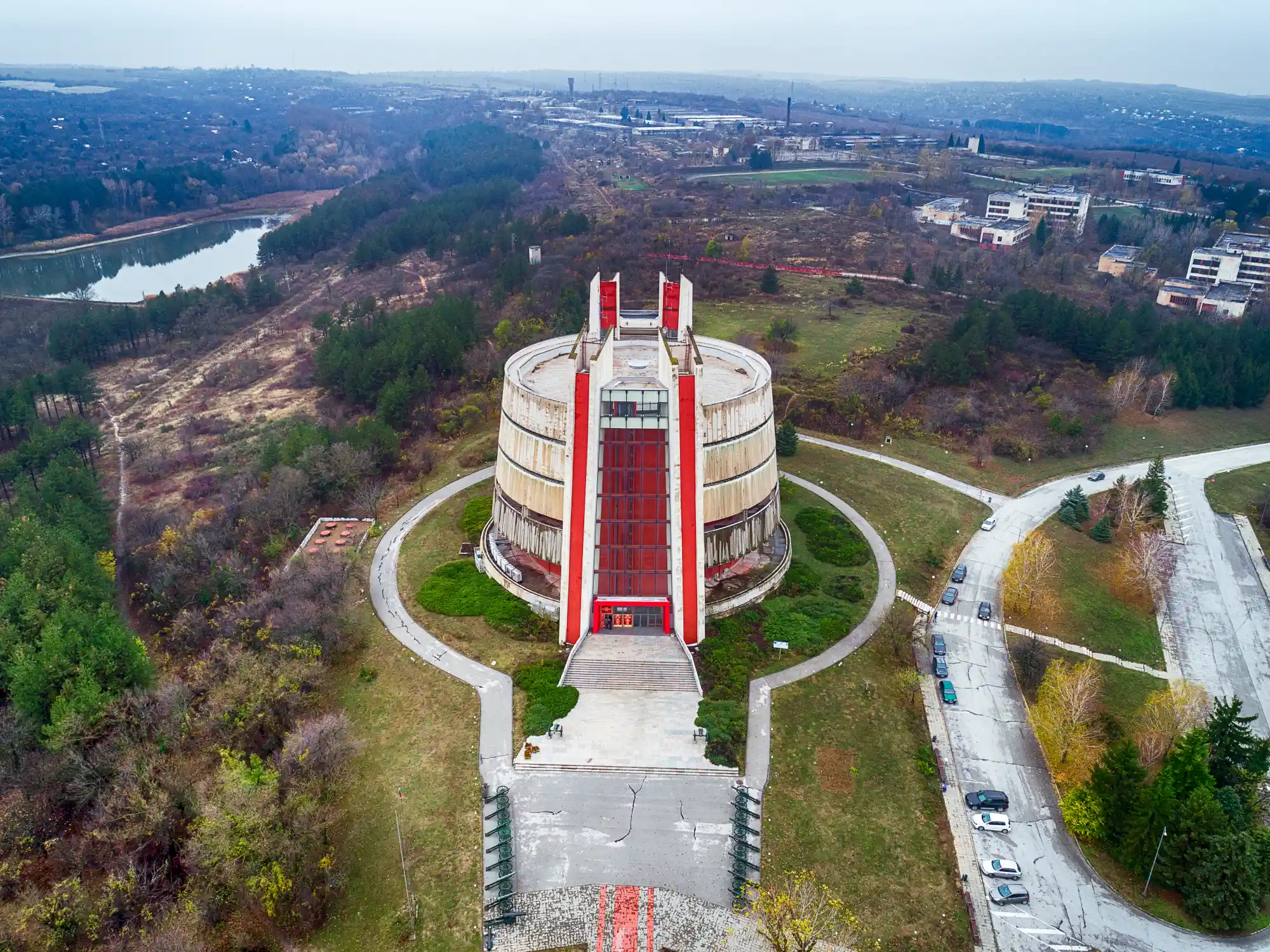
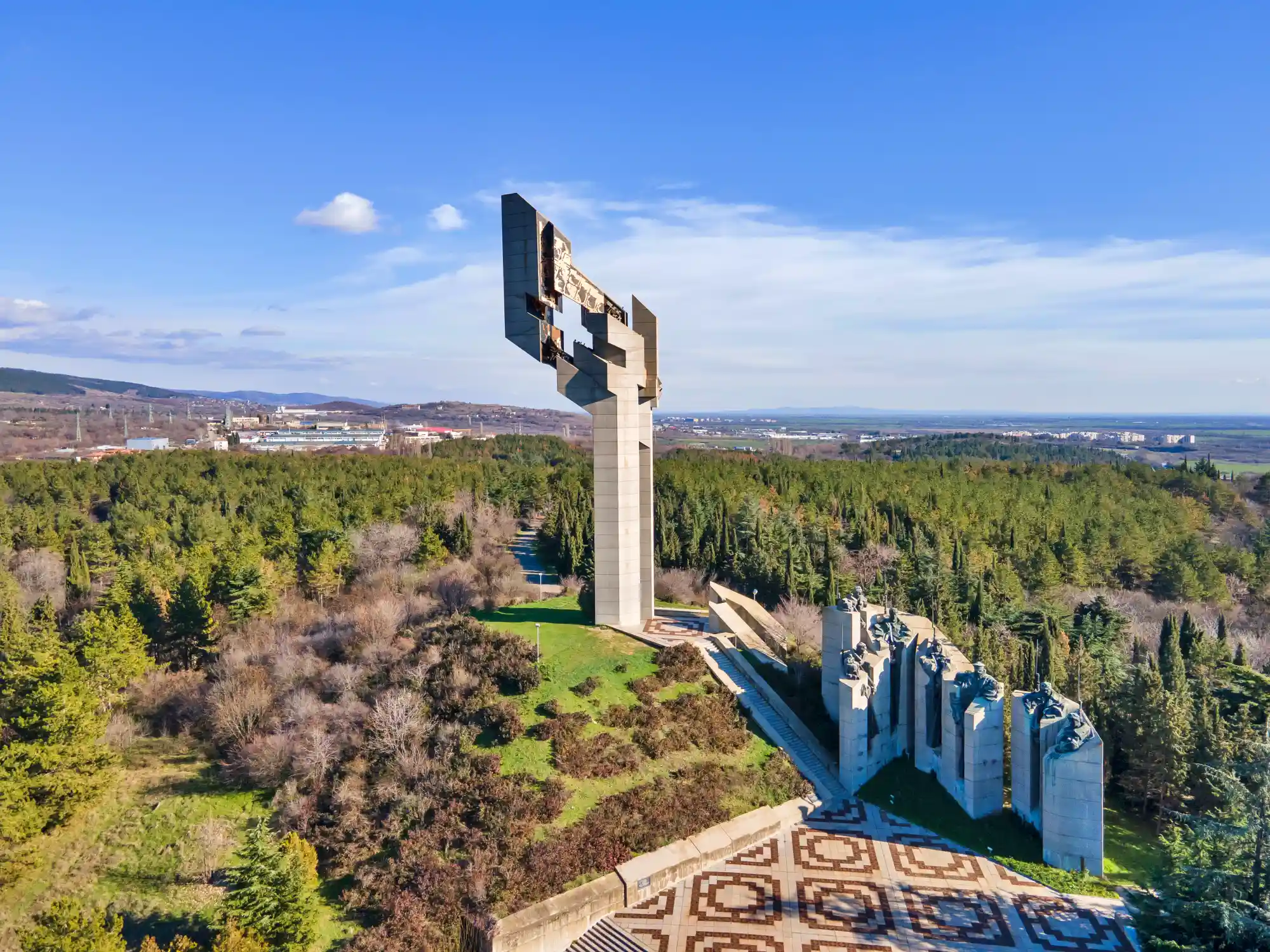
Stop at the massive panoramic monument depicting the eighteen seventy seven siege that reshaped the map of the modern Balkans
Silistra
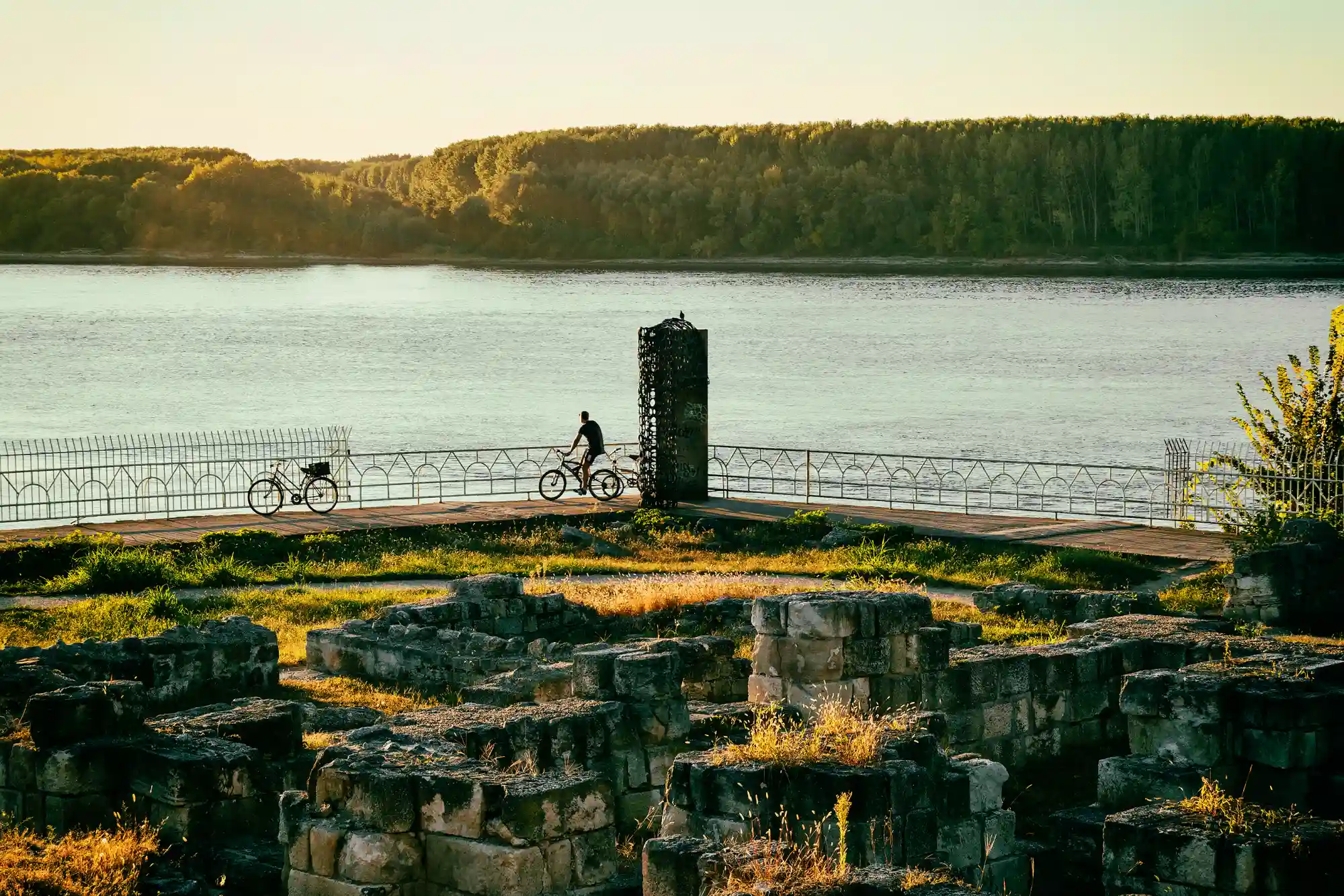
Explore the Durostorum ruins and the Srebarna bird sanctuary where the Danube flows into a rare and lush biosphere
Sliven
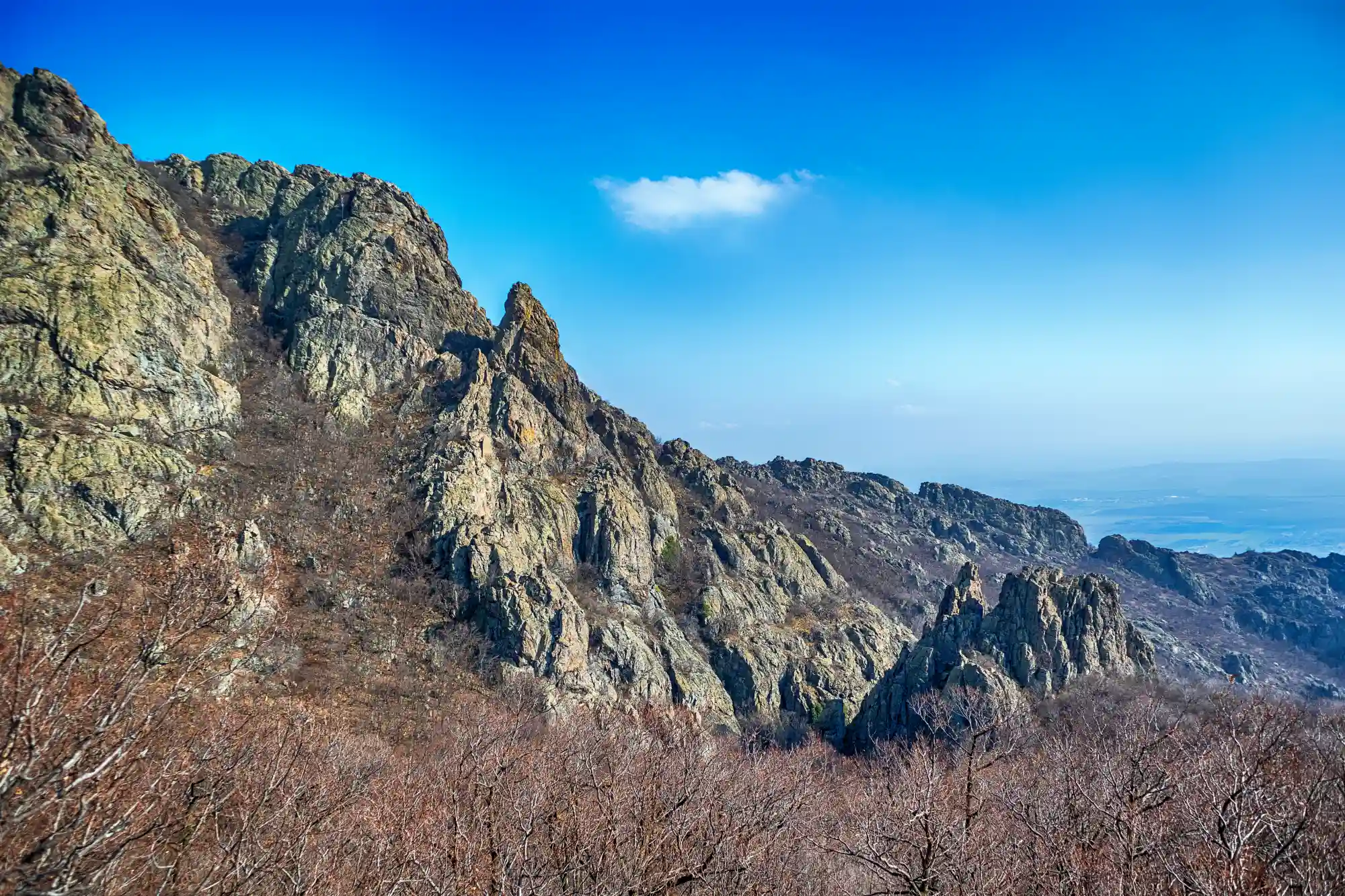
Ride the mountain chairlift above the Blue Stones park where the rocky landscape turns a deep violet in the afternoon sun
Smolyan
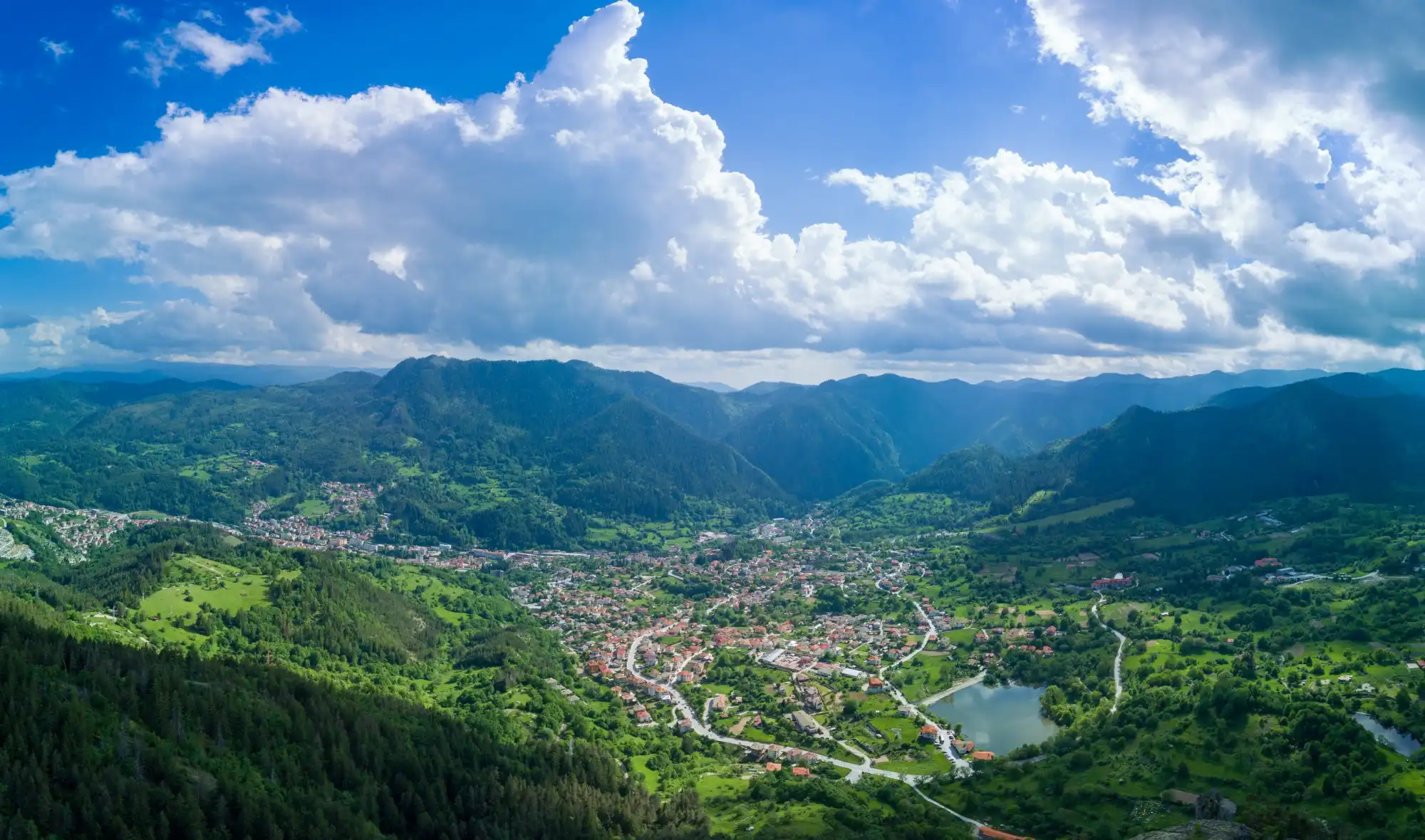
Wind through the deep Rhodope heartland to find the planetarium and the massive stone arches of the Wonderful Bridges
Stara Zagora
Visit the Neolithic dwellings to see the best-preserved prehistoric kitchens and pottery found anywhere in the whole of Europe
Shumen
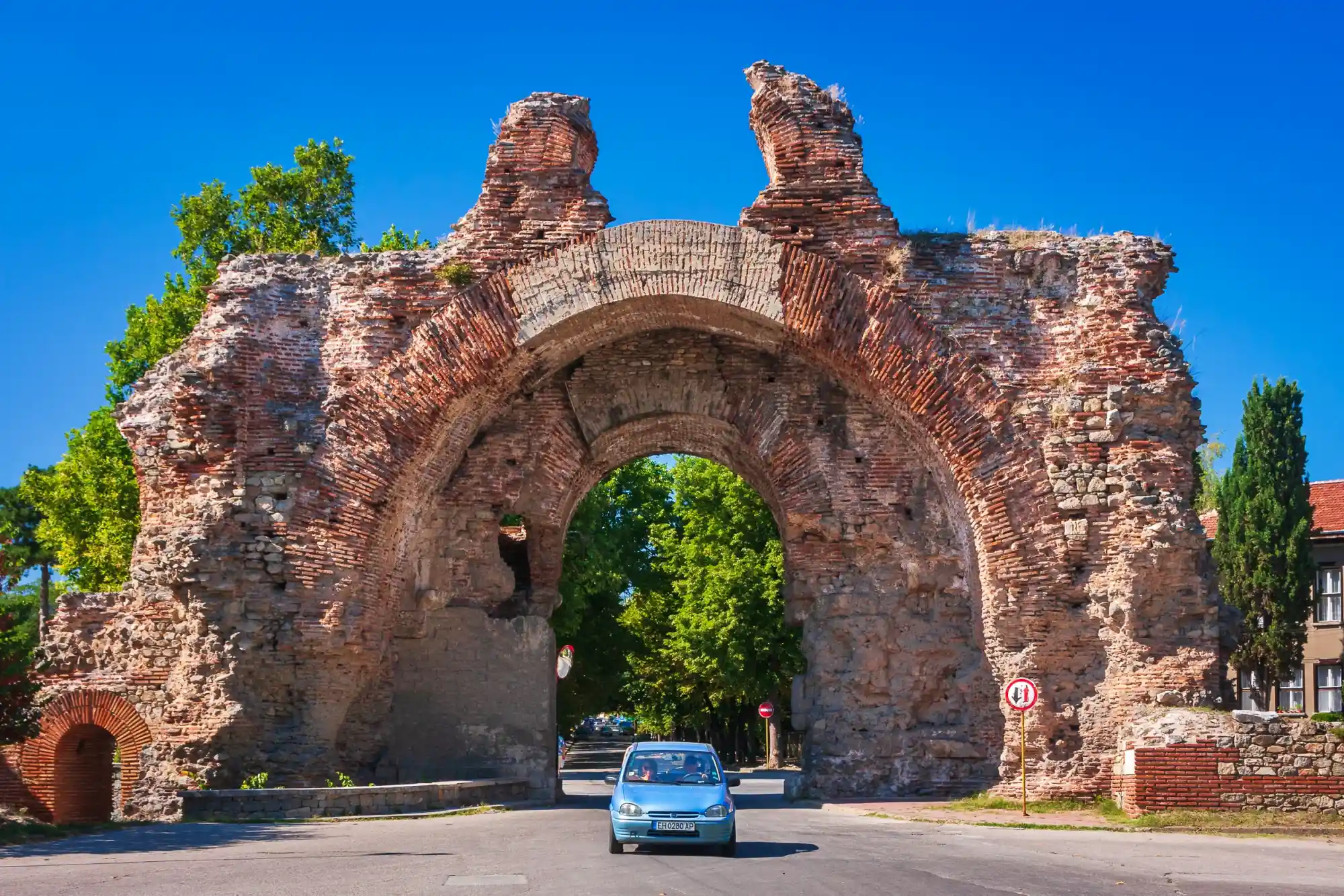
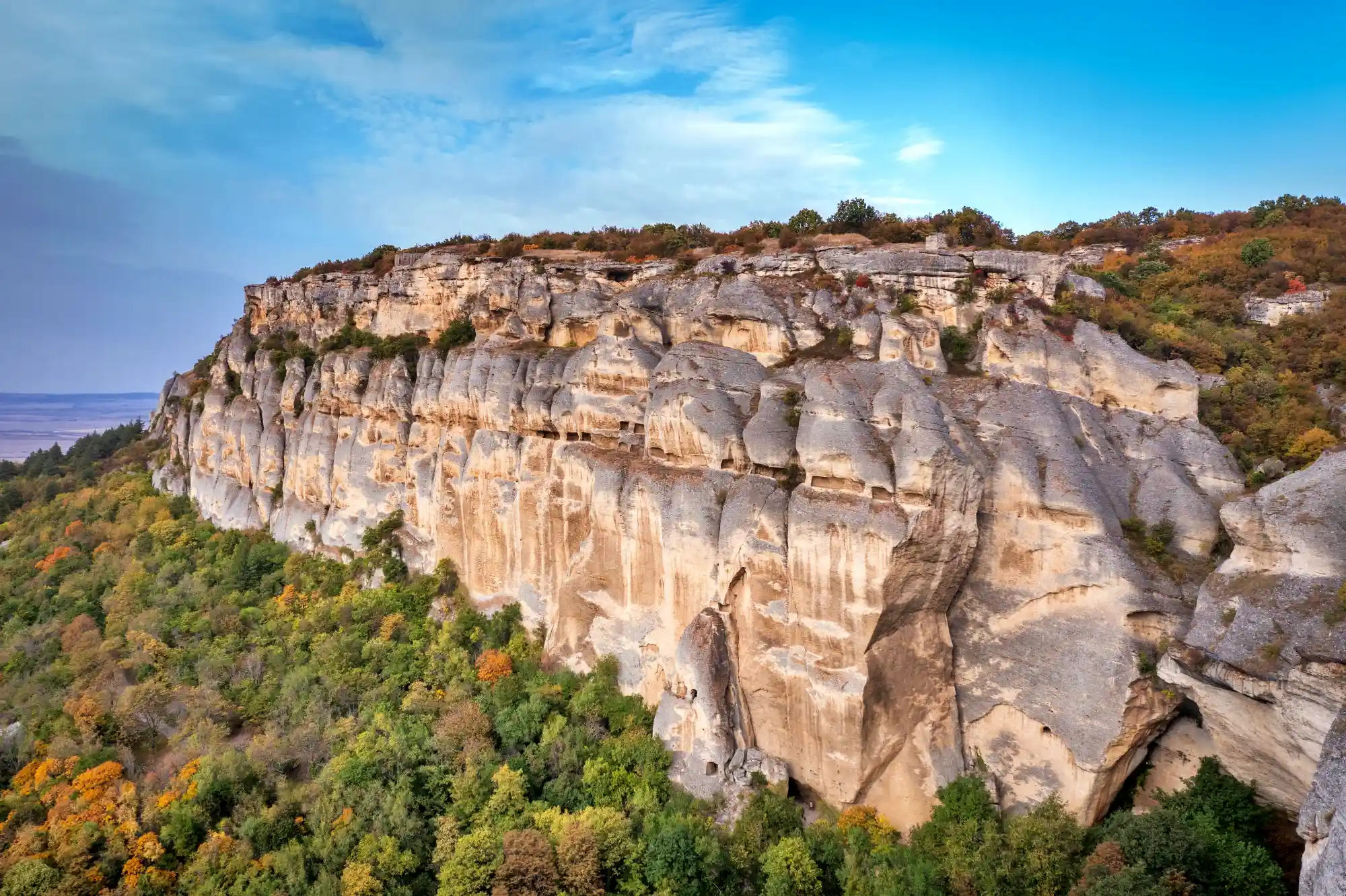
Mount the high plateau to see the Madara Horseman, a massive eighth century rock relief carved into a one hundred meter cliff
Targovishte
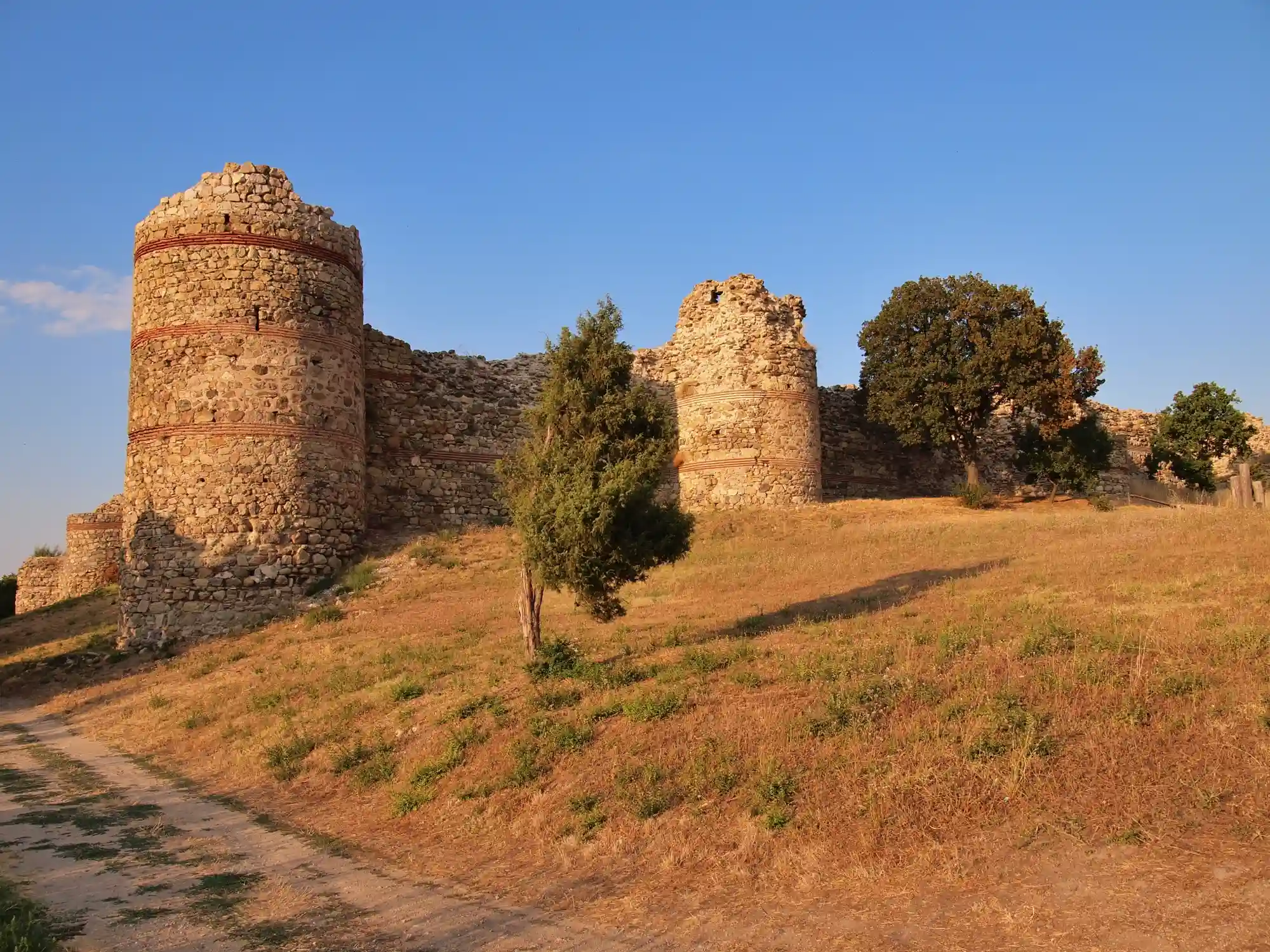
Take the mountain passes to find the Roman ruins of Missionis hidden deep within the leafy forests of the eastern range
Bulgaria's history
Bulgaria’s history stretches back over thirteen centuries. In 681, the Bulgars under Khan Asparuh crossed the Danube and founded the First Bulgarian Empire, which grew under leaders like Khan Krum and Tsar Simeon the Great. This was the era of Bulgaria’s Golden Age when the Cyrillic alphabet began to take shape.
The Second Bulgarian Empire rose in 1185 with Veliko Tarnovo as its capital, a city of palaces, churches and steep streets. Ottoman rule followed in the late 1300s, lasting nearly five centuries. The monasteries and folk traditions preserved Bulgarian language, faith and identity.
The 19th century brought the National Revival and the April Uprising, leading to independence in 1878. Bulgaria faced wars and political changes in the 20th century before transitioning to democracy in 1989 and joining the EU in 2007. Today, medieval fortresses, Thracian tombs and monasteries carry centuries of history. Bulgaria is a nation where the past is alive and visible everywhere.