

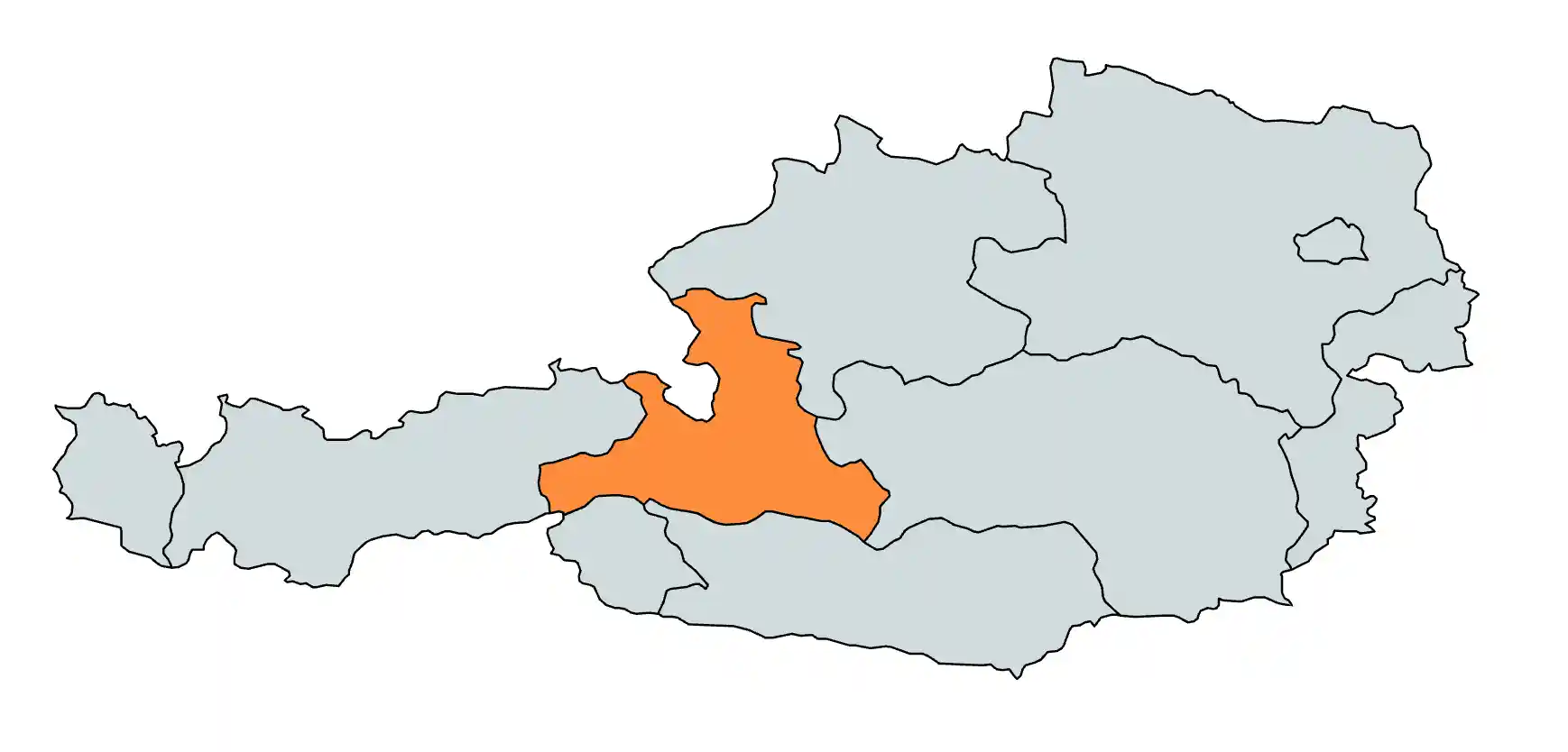
The hills are alive in Salzburg with high peaks and massive ice caves in this famous mountain realm. You find yourself in a world of baroque spires and rushing green rivers that flow from the high glaciers. The city of Salzburg offers a grand start with its hilltop fortress and narrow salt trade alleys. Beyond the city the landscape explodes into deep gorges and the highest waterfalls in Central Europe at Krimml.
The driving routes here take you deep into the Hohe Tauern National Park. You can follow the high roads past alpine meadows where cows graze near the snow line. Hidden gems like the Eisriesenwelt cave offer a cold trek through miles of natural ice sculptures deep inside the mountain. The lakes of the Salzkammergut like Wolfgangsee provide a perfect blue backdrop for a summer picnic or a quick dip.
This is a land built for exploration and high altitude views. You can find mountain lifts that take your car or your gear up to the clouds for a better look at the world. The villages are full of wooden balconies and bright flowers that look like they belong in a storybook. Salzburg is a place where the grandeur of the city meets the raw power of the high Alps in one spectacular sweep.
Salzburg (state) highlights
- Hohensalzburg Fortress Take the funicular or walk up to one of the largest fully preserved medieval castles in Europe. It dominates the skyline and offers the best view of the baroque domes of the city below.
- Eisriesenwelt Ice Cave Experience the largest ice cave system in the world located high in the Tennengebirge mountains. The walk through the frozen tunnels and massive ice palaces is a true bucket list adventure.
- Krimml Waterfalls Stand at the base of the highest falls in Central Europe where the water drops in three massive stages. The mist from the falls is famous for its health benefits and its cooling power.
- Hellbrunn Palace Visit the trick fountains where hidden water jets surprise guests in the grand gardens of a summer villa. It is a playful and unique example of late renaissance landscape design.
- Großglockner Glacier View Drive to the Franz Josefs Höhe lookout to see the longest glacier in the Eastern Alps. You can spot marmots playing on the rocks and watch the ice move slowly down the mountain.
- Hohenwerfen Castle Explore a high altitude fortress that serves as a center for traditional falconry and bird of prey shows. The castle sits on a steep hill surrounded by massive grey limestone peaks.
- Liechtenstein Gorge Walk through one of the deepest and longest water gorges in the Alps on a modern spiral staircase. The towering walls and the rushing turquoise water create a powerful natural atmosphere.
- Hallstatt Salt Mine Take the funicular up from the lake to enter the oldest salt mine in the world. You can slide down wooden miners chutes and see a prehistoric staircase deep inside the mountain.
- Zell am See Esplanade Stroll along the water with a view of the snow capped peaks of the Kitzsteinhorn. The town center is full of historic charm and lively shops for a midday break.
- Gosau Lakes Find this hidden gem where the jagged peaks of the Dachstein reflect perfectly in the still mountain water. It is a quiet alternative to the busier lake spots and offers world class hiking.
The local Four
History of Salzburg (state)
The history of Salzburg is a story of "white gold." For over a thousand years, the province was ruled not by kings, but by powerful Prince-Archbishops who grew immensely wealthy from the salt mines hidden deep within the mountains. This wealth allowed them to turn the city into a "Rome of the North," filled with baroque domes, marble squares, and the massive Hohensalzburg Fortress. The salt that traveled down the river paid for the art, the music, and the grand architecture that defines the region today.
In the high mountains, the story was much more rugged. While the archbishops lived in luxury, the mountain people were masters of the ice and the rock. They discovered the massive Eisriesenwelt caves and navigated the treacherous mountain passes that linked the north to the south. This created a fascinating social divide between the elegant, music-filled city and the wild, untamed wilderness of the Hohe Tauern, where nature always held the final word.
The 20th century transformed Salzburg into a global stage. The birth of the Salzburg Festival and the filming of "The Sound of Music" turned the local scenery into an international icon. However, the true history lies in the quiet spots, the old salt mines of Hallstatt and the medieval falconry towers of Hohenwerfen. It is a region where the wealth of the earth and the beauty of the mountains combined to create a place that feels like a permanent work of art.